My Father Pushed Me Back Against My Pillow After My C-Section — Then I Fought For My Money
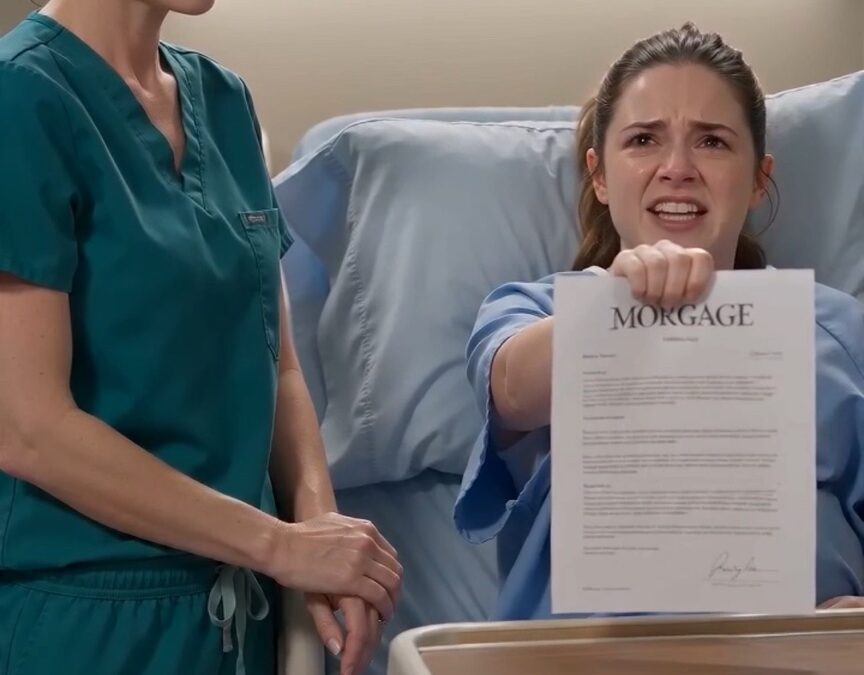
Chapter 1: The Visit We Postponed
My father shoved my shoulder back onto the maternity pillow.
“Cancel her payments,” my mother said.
“Cancel her payments now,” he said, leaning over me.
I had delivered by emergency C-section 18 hours earlier.
My sister kept photographing the baby while a nurse watched.
The pillow caught my shoulder, but my stomach pulled sharply.
“Stop! I just had surgery.”
My father, Raymond, was 67. He looked down at my blanket instead of moving away.
“Then forgive what she owes.”
Alicia came toward him from beside the sink.
“Take your hand off her and step away.”
He released me. His shoes stayed beside my bed.
I pressed my palm against the blanket over my incision.
Tessa checked the picture she had just taken.
She was 34, standing beside Owen’s bassinet near the window.
She didn’t ask our father to stop.
She didn’t even turn until I said her name.
“Tessa, put that away and look at me.”
She lowered her phone, then put it away.
My mother kept watching my face.
“Your father didn’t mean to hurt you, Marissa.”
“He shoved me after surgery because I said no.”
Alicia reached my bedside and looked directly at me.
“Tell me where it hurts.”
“Across my stomach. Please stay here beside me.”
She stayed close enough that I could touch her sleeve.
I was 38, and I wanted my parents outside.
Instead, I was calculating how far I could reach.
The drawer beside my bed held the mortgage folder.
My mother, Judith, stood between it and the visitor chair.
She was 65, with her hand resting on the chair.
“We can finish this without involving anyone else.”
“You brought this here while I’m recovering from surgery.”
Alicia told Raymond to give her room.
He moved enough for her to stand beside me.
I looked toward Owen before I tried moving again.
His mouth worked against the edge of his blanket.
He was ready to eat. That was the reason I had asked everyone to wait.
Before my parents arrived, the pillow had slipped behind me.
I had tried reaching underneath it while adjusting my blanket.
That small movement had pulled painfully across my incision.
Alicia had helped settle it against my back again.
She was 43, and she explained what she was doing.
“Let me move this. You don’t need to twist.”
I had held the blanket clear while she worked.
The call button lay beside my hip afterward.
I remember checking that I could reach it.
Then my family appeared in the doorway.
My mother came in speaking softly at first.
“Let us see that baby before you feed him.”
“Wash your hands before you touch him, please.”
Tessa headed straight toward the bassinet beside the window.
My father stopped near the foot of my bed.
My mother pulled the visitor chair closer to me.
“You look tired, but we won’t stay very long.”
I thought she meant they understood about the surgery.
I moved the blanket away from the chair leg.
Then she asked where I kept the house paperwork.
I looked toward Alicia, still standing beside the sink.
“Not now, Mom. I just had emergency surgery.”
“We’re already here, and your sister needs an answer.”
I hadn’t agreed to discuss money during that visit.
The discussion had been planned before the emergency surgery.
Afterward, I had asked everyone to postpone it.
My mother knew that. So did my father.
Tessa had been included in the same request.
Yet my mother sat down and smoothed my blanket.
“We should settle this before you take Owen home.”
“I need to feed him, not discuss the house.”
“Tessa needs to know you’re not abandoning her.”
My sister adjusted her position beside the bassinet.
She hadn’t asked how the surgery had gone.
I watched her angle the camera toward Owen’s face.
“Can we please do this another time?”
My mother glanced toward my bedside drawer.
She knew I had brought the folder with me.
She didn’t know everything that was inside it.
My father moved from the foot of the bed.
“You can forgive what’s overdue and keep financing it.”
“And what happens when the next payment doesn’t come?”
“That’s your son’s aunt you’re talking about, Marissa.”
I pulled the call button free of the blanket.
It had caught beneath a fold near my hip.
Alicia looked over when I shifted against the pillow.
My mother named what they wanted canceled.
The overdue amount was $26,400.
They also wanted the remaining financing left in place.
They weren’t offering to make the missing payments themselves.
They wanted me to erase them and continue waiting.
I turned toward Tessa instead of answering our father.
“Are you going to say anything about this?”
“I’m just trying to get a good picture.”
Owen moved his mouth as she leaned over him.
My mother watched me rather than looking at him.
That was when I leaned toward the bedside drawer.
My father stepped beside my shoulder and pushed.
Now Alicia was beside me, and my mother was still talking.
“You’re making this sound worse than it was.”
I pulled the blanket straight across my lap.
There was a damp spot where my tears had landed.
“He needs to stay away from my bed.”
Alicia repeated the instruction without raising her voice.
Raymond looked toward the hallway.
He didn’t apologize or ask about my pain.
My mother shifted her attention back to the drawer.
“Let me explain what we’re asking before you start.”
“You’ve explained it, and I haven’t agreed to it.”
I could see the drawer handle beyond her hand.
The folder wasn’t a deed giving me Tessa’s house.
It wasn’t permission to remove her from it.
It was the paperwork showing what she owed me.
My parents had come prepared to argue about fairness.
I needed them to read what Tessa had signed.
Alicia moved the visitor chair out of my way.
I eased the blanket away from the drawer handle.
My mother’s hand hovered over the bedside table.
“Marissa, leave the papers alone until we’ve talked.”
“Read this first.”
I reached toward the drawer.
Chapter 2: The House I Sold Her
The handle felt cool against the backs of my fingers.
I pulled slowly, keeping my elbow close to my side.
My mother started to lean over the open drawer.
“Let me get that.”
“No. I have it.”
The folder lay beneath the papers from my admission.
I slid those aside without lifting my shoulder.
The edge of the mortgage folder came within reach.
Seeing it brought back my kitchen floor and Tessa’s shoes.
Before that house became hers, it had been mine.
I had paid it off before deciding to sell.
Tessa wanted a home but couldn’t provide a down payment.
My parents asked whether I could make it work.
I agreed to sell below its appraised value.
The appraisal was $150,000. The purchase price was $132,000.
I financed the entire purchase without interest.
There was no bank waiting to pay me at closing.
Tessa received the title. I received her promise to pay.
That promise was written in a properly executed promissory note.
A recorded first mortgage secured the debt.
I had understood the difference before we signed.
“You’ll own the house,” I told her.
“And I’ll make the payments to you.”
“Yes. Selling it doesn’t make the loan disappear.”
She nodded over the papers spread across the table.
I didn’t ask her to thank me every month.
I wanted her to pay what we had agreed.
The weekend before the May 1, 2020 closing, she asked for help.
The kitchen cabinet door beneath the sink kept sticking.
She stood in the empty kitchen and pulled it open.
The lower edge scraped before the hinge shifted.
“Can you fix it before I unpack everything?”
“Keep holding it there while I tighten this hinge.”
I knelt on an old towel with my tools.
She crouched beside me and held the door level.
The inside of the cabinet smelled like cleaning solution.
I fitted the hinge and tightened the loose screws.
Then I opened the door and closed it again.
“Try it yourself before I put my tools away.”
She laughed when it finally closed without scraping.
I showed her which screw adjusted the door.
“If it sags, start here. Don’t force it shut.”
She tried it again while I gathered my tools.
I stayed through the weekend finishing those cabinet hinges.
There wasn’t a contractor’s bill tucked into our agreement.
It was something I did because she was moving in.
At closing, we went through the actual loan terms.
The principal would be paid in 120 monthly installments.
Each installment was $1,100, beginning June 1, 2020.
Interest was zero.
The documents allowed acceleration after the required notice.
They also allowed legally recoverable, court-approved enforcement expenses.
I hadn’t written those provisions to threaten my sister.
I was financing a house, not lending grocery money.
The paperwork had to say what happened after default.
Tessa signed and became the owner on May 1, 2020.
I left with the loan documents carefully filed.
For a long time, the payments came as agreed.
I worked as a payroll clerk and tracked the deposits.
I kept a payment history with the mortgage papers.
Tessa paid 36 installments through May 1, 2023.
That was $39,600 paid toward the purchase.
The principal remaining was $92,400.
Then the payments stopped.
At first, I checked the account before asking her.
I didn’t want to accuse her over a delayed deposit.
When nothing arrived, I contacted her about the payment.
She asked for time. I gave her time.
I kept the account open and kept the records.
My parents knew she was missing payments.
They asked me to be patient, then to stop mentioning it.
“She’s embarrassed enough without you bringing up money again.”
“I’m embarrassed asking for money she already owes me.”
“You’ve always managed, and she needs more help.”
I went back to work after those conversations.
There were payroll deadlines whether my sister paid or not.
I checked my own leave balance during breaks.
I changed what I bought at the grocery store.
The expected payments were part of my maternity-leave reserve.
Money I had planned to save wasn’t coming in.
My household expenses still had to be paid.
On June 10, 2024, my attorney sent a written default notice.
I had retained foreclosure counsel, but I postponed filing.
I wanted payment more than I wanted a court case.
The folder in my hospital drawer held that notice too.
By May 1, 2025, the regular missed installments totaled $26,400.
Those were the installments from June 1, 2023, forward.
They remained part of the $92,400 principal balance.
They weren’t another debt added on top of it.
I had planned a family money discussion during my admission.
That was why the folder went into my hospital bag.
I expected to review the papers before any discussion.
Instead, Owen arrived by emergency C-section on May 19, 2025.
The folder stayed in the bag while everything else changed.
Afterward, I put it into the bedside drawer.
I told my family the money discussion had to wait.
On May 20, 2025, they came anyway.
Now my mother stood beside that drawer, watching my hands.
“I financed that house, and I need those payments.”
My father opened his mouth, but I kept going.
“That money was supposed to help during my leave.”
Tessa turned away from Owen and finally watched me.
I pulled the folder onto my lap and opened it.
I didn’t pass it across the bed to anyone.
The mortgage was at the front, marked “MORTGAGE.”
The attached page lay exposed beside it.
I lifted the document against my chest.
My mother reached toward the edge of my bedside table.
Then she stopped and silently read the exposed page.
Her eyes moved down it before returning to Tessa.
She stepped back with her mouth hanging open.
Chapter 3: What Tessa Had Signed
My mother looked from the page to my sister.
Tessa had stopped moving beside the bassinet.
I held the folder high enough for them to see.
“She signed, then skipped every promised payment.”
My father jerked backward.
“She never paid anything?”
“She paid before. She paid nothing under this agreement.”
I wasn’t going to erase the payments Tessa had made.
I wasn’t going to let her hide the rest, either.
“This is her repayment agreement. She signed it.”
My mother stared at the attached page again.
She had never seen it before that hospital visit.
Neither had my father.
Tessa knew exactly which document I was holding.
On February 1, 2025, she had signed it.
By then, the regular arrears through January 1, 2025, were $22,000.
The agreement gave her a written way to catch up.
It didn’t demand the whole unpaid mortgage immediately.
It divided that overdue amount into scheduled repayment installments.
Each combined installment was $6,600.
That included $5,500 toward arrears and the current $1,100 payment.
They were due February 1 through May 1.
There were four promised payments.
Tessa had missed all four.
My mother moved her lips while reading the amounts.
“But she said you were working something out.”
“We did. This is what we worked out.”
Tessa put her hands against the bassinet rail.
“I thought I could do it.”
I looked at her hands, then at her face.
“You didn’t make any of these payments.”
She didn’t answer that.
When we discussed the agreement, she had wanted more time.
I had sat across from her with the payment history.
The house was still hers. No foreclosure had been filed.
My earlier default notice had not disappeared from my records.
But I was willing to postpone enforcement again.
I wanted any further delay written down.
“I need something I can plan around,” I told her.
She studied the proposed schedule instead of looking at me.
“That amount includes the regular payment?”
“Yes. It’s written separately so there’s no confusion.”
I pointed to the current payment and the arrears portion.
She followed the line with her finger.
The overdue balance wasn’t a fee or punishment.
It was principal she had already agreed to pay.
She read the acknowledgment before she signed.
I waited while she turned through the agreement.
There was no promise that becoming an aunt canceled anything.
There was no family exception hidden in another conversation.
The agreement expressly preserved the mortgage and its lien.
It required renewed notice before acceleration and enforcement.
She could keep the house by meeting her obligations.
I could pursue the recorded mortgage if she did not.
Those terms were in the document she signed.
At the hospital, my father reached toward the folder.
I drew it closer against my chest.
“You can read it from there.”
“We’re your parents, Marissa.”
“This is between the borrower and the lender.”
My mother looked offended by those words.
Tessa looked at the floor.
Alicia remained beside me, watching how I was sitting.
I lowered the bottom edge of the folder onto my blanket.
The movement eased the pull against my abdomen.
My mother spoke more quietly.
“We didn’t know she’d agreed to this much.”
“You knew she wasn’t paying the regular amount.”
“That isn’t the same as knowing about this.”
“No. It isn’t.”
My father stopped arguing about whether I had already helped.
He looked at the agreement as though checking for another answer.
“Then give her longer. That schedule was too much.”
“She asked me to keep waiting. I did.”
“She’s still your sister.”
“She still owns the house. She still owes the loan.”
Tessa finally turned fully toward me.
“I didn’t know you were going to bring that out here.”
“You knew it was in the folder.”
“I didn’t think we’d do it like this.”
“I asked not to discuss any of it here.”
My mother placed her fingers against the bedside table again.
This time she didn’t reach for the papers.
She read the paragraph beneath the payment schedule.
Her expression changed as she reached the mortgage language.
“What does this part mean?”
“It means the mortgage was never canceled.”
My father leaned to read over her shoulder.
I held the page steady without handing it over.
“It also means renewed notice comes before enforcement.”
“So you can’t just take her house today.”
“No. I’ve never said I could.”
That answer left him without the objection he’d prepared.
I wasn’t claiming the deed had stayed in my name.
I wasn’t claiming I could change Tessa’s locks.
The title had passed to her at the sale.
My mortgage secured what she still owed.
Any foreclosure would require the proper notices and court proceedings.
I had followed those distinctions when I signed the loan.
I was following them now, even from the hospital bed.
My mother looked back at the payment schedule.
“But if these payments were $6,600, how is it $26,400?”
“The plan divided the existing arrears and current payments.”
I pointed to the acknowledgment of $22,000 overdue.
“Then the regular payments continued coming due.”
The four current installments added to what remained unpaid.
No money had arrived to reduce any of it.
The overdue total was now $26,400.
That total was included in the unpaid principal.
I wasn’t asking for the same money again.
Tessa pulled her sleeves down over her wrists.
“I was going to explain.”
My father turned toward her instead of toward me.
My mother kept staring at the signature.
I set the folder securely across my lap.
Alicia asked my parents to move farther from the bed.
Judith stepped back without looking at her.
Then she faced Tessa.
“Why didn’t you tell us you signed this?”
Chapter 4: The Doorway Afterward
Tessa looked toward Owen before answering our mother.
“I knew what you’d say.”
My mother opened her mouth, but Alicia interrupted.
“This discussion needs to stop. I need to assess her.”
She wasn’t asking who was right about the mortgage.
She was looking at me and the way I held my stomach.
“Marissa, can you show me where it pulled?”
I placed my hand over the blanket.
“Here. When he pushed my shoulder back.”
Raymond shifted closer as though he might explain again.
Alicia held her position beside my bed.
“Stay back.”
He stopped.
She asked about the discomfort before the shove.
I told her reaching beneath the pillow had hurt.
Then I described the sharper pull when he pushed me.
I didn’t exaggerate either part.
She needed to know what had happened to my body.
My mother began, “He was only trying to—”
“I saw what happened,” Alicia said.
My father looked toward the doorway.
Tessa had moved away from the bassinet.
For the first time since they arrived, nobody stood over Owen.
I put the folder flat beside my thigh.
“I want them removed.”
My mother looked at me.
“Don’t do that while we’re upset.”
“I want them removed,” I repeated to Alicia.
“And I don’t want them visiting again.”
Alicia confirmed that I meant all of them.
“Yes. My parents and Tessa.”
She called hospital security and kept my family away.
I didn’t have to bargain over the doorway myself.
My father tried to make his voice sound reasonable.
“We’re leaving. There’s no need for security.”
“They’re coming,” Alicia said.
My mother reached toward the folder again.
I rested my hand across it.
“The papers stay with me.”
“I was going to straighten them.”
“Leave them where they are.”
She drew her hand back.
Security arrived while Alicia was still beside me.
I told them I wanted the visit ended.
My father didn’t touch me again.
He tried explaining that this was a family disagreement.
Alicia described the shove she had witnessed.
She also described the demand he made beside my bed.
My mother asked whether they could at least say goodbye.
I looked at Owen, then back at the doorway.
“Not today.”
Tessa’s eyes went to the folder.
“I didn’t ask him to push you.”
“You kept taking pictures.”
She pressed her lips together.
There wasn’t another explanation I needed from her then.
Security escorted them out of the room.
My mother kept looking back until she reached the doorway.
I watched until none of them were visible.
Then I let Alicia take the folder off my lap.
She put it where I asked, inside the drawer.
“Please close it all the way.”
She did.
Only then did I move my hand from my stomach.
Alicia assessed me and arranged the necessary follow-up.
No new surgical injury was found.
The pain still mattered. So did what had caused it.
She documented the incident in the hospital record.
She recorded what she had witnessed, not family guesses.
I told her the exact demand about canceling payments.
I told her I had asked them to postpone.
She asked me to clarify what happened before he pushed.
I described reaching toward the drawer.
I described where Raymond had been standing.
I described Tessa photographing Owen instead of intervening.
Saying it out loud made me stop between sentences.
Alicia gave me time without changing the subject.
Then we addressed the visitor restrictions.
I didn’t want another conversation at my doorway.
I didn’t want someone saying they’d come to apologize.
“I want visits restricted at my request.”
She explained how that request would be handled during admission.
I confirmed my parents and sister weren’t welcome back.
It wasn’t a court order or a permanent hospital rule.
It was my decision about visitors while I recovered.
At home, I would have to make that decision myself.
For now, I needed the room kept quiet.
Alicia helped position the pillow for feeding.
I checked Owen’s face while she supported my arm.
My shoulder still felt sore where it had landed.
I pulled the blanket away from his mouth.
He rooted against me, impatient with all the talking.
“Let’s get you settled,” Alicia said.
I concentrated on holding him without twisting.
The folder stayed shut inside the drawer.
Nobody asked me to justify needing the loan payments.
Nobody stood between me and the call button.
When Owen finished, I watched him relax against my arm.
I needed rest more than another conversation.
Alicia made sure I could reach what I needed.
I slept before deciding anything about the next legal step.
When I woke, I checked the visitor restriction again.
Then I looked at the drawer.
The repayment agreement had not changed because my parents read it.
The mortgage hadn’t changed because Raymond had shoved me.
My attorney still needed my instructions.
On May 21, 2025, after resting, I made the call.
I used the attorney I had already retained.
I wasn’t trying to find someone to punish my family.
I needed the loan handled under the documents.
“I want you to issue a fresh cure notice.”
My attorney asked whether any payment had arrived.
“No.”
Had Tessa made a new written arrangement with me?
“No.”
Had I agreed to forgive anything during the visit?
“No. I refused.”
I described the hospital confrontation without rushing through it.
My attorney let me finish, then returned to the loan.
The signed agreement required renewed notice before acceleration.
The earlier default notice wasn’t being treated as enough.
I wanted that requirement followed exactly.
“Give her the required 30 days to cure.”
My attorney asked me to preserve every document.
I looked at the closed drawer.
“I have the folder.”
“Then we’ll need the originals and the complete history.”
Chapter 5: The Fresh Notice
I spread the folder out where Owen couldn’t reach it.
I kept the hospital pillow nearby for feeding.
When he needed me, the papers went back inside.
Nothing about the loan required neglecting my recovery.
I worked through the records in separate, careful sessions.
My payroll work had taught me to keep source documents.
A total on a page wasn’t enough without support.
I found the signed promissory note first.
Then I checked the recorded mortgage against my copy.
The recorded lien identified the property securing the debt.
The note identified the obligation Tessa had agreed to pay.
I kept them together but didn’t confuse their purposes.
My attorney needed both.
Next came the payment history and supporting account records.
I checked each payment Tessa had actually made.
The 36 installments through May 1, 2023, were credited.
The total she paid was $39,600.
I didn’t remove those credits because I was angry.
The unpaid principal remained $92,400.
I placed the earlier default notice behind the history.
It was dated June 10, 2024.
I included the associated records showing how notice was sent.
Then I added the February 1, 2025 agreement.
Tessa’s signature was clear on the original.
The schedule was clear too.
There were no deposits corresponding to its promised installments.
My attorney reviewed the documents before preparing the renewed notice.
I answered questions about conversations as well as paperwork.
Had I ever said the house was a gift?
“No.”
Had I ever agreed to forgive the remaining principal?
“No.”
Had I agreed to forgive the missed installments?
“No.”
Had I delayed enforcement while trying to reach repayment?
“Yes. That’s why the written agreement exists.”
I didn’t pretend I’d been strict throughout.
I had waited after the earlier notice.
I had wanted my sister to keep her house.
Neither fact canceled the loan.
Counsel explained the difference between patience and a release.
The fresh notice had to comply with the documents.
The service records had to be preserved with it.
The cure opportunity had to be real.
It wasn’t a letter announcing a decision already completed.
On May 21, 2025, I instructed counsel to send it.
The notice gave Tessa 30 days to cure.
It explained the default and what was required.
The file would show the notice and its delivery records.
I asked my attorney to handle further legal communications.
That didn’t stop my parents from contacting me directly.
My mother wanted to discuss what she called “the misunderstanding.”
I read her message while Owen slept beside me.
She wanted everyone to sit down without paperwork.
I left the folder on the table.
“I won’t discuss a new agreement without counsel.”
She called rather than answering that point.
I let her finish explaining that Tessa was worried.
“She knows you’re serious now. Give her room.”
“She has a cure notice.”
“You don’t need to sound like a stranger.”
“I need the loan paid.”
My mother said my father regretted the hospital visit.
She didn’t say he had agreed to pay anything.
I asked directly whether they were offering funds toward the default.
“We’re offering to help work this out.”
“Is there a payment?”
There wasn’t.
My father contacted me separately after that conversation.
He didn’t repeat that I had never helped Tessa.
He had seen the agreement and knew that argument wouldn’t work.
Instead, he focused on delay.
“A legal case will cost you money.”
“My attorney has explained the process.”
“You could save everyone trouble by extending this.”
“I already extended it in writing.”
“Then revise it so she can manage.”
“Any proposal goes to counsel.”
I didn’t argue about his tone or his intentions.
I asked for something specific enough to evaluate.
A verbal promise wasn’t a payment plan.
A payment plan wasn’t useful if no payment followed.
My father said family shouldn’t have to negotiate through lawyers.
I looked at the place on my shoulder he’d pushed.
It no longer showed what the visit had felt like.
“The notice stays in effect.”
He ended the call without offering a cure.
Tessa sent a message saying she needed to know what I wanted.
I answered with the same information her notice contained.
“I want the loan brought current under the notice.”
She asked whether I wanted an apology too.
“The legal deadline doesn’t depend on an apology.”
I wasn’t going to exchange money terms for a family conversation.
An apology wouldn’t replenish my maternity reserve.
It wouldn’t make the mortgage documents inaccurate.
I kept the message with the other correspondence.
My attorney had asked me not to alter the file.
That included keeping exchanges that weren’t flattering to me.
I included my own answers and my previous willingness to wait.
At the attorney’s office, I placed the originals on the desk.
I watched each document checked against the file.
The note went beside the mortgage.
The signed agreement went beside the payment history.
The earlier notice records stayed with the fresh notice records.
I took my copies home and put them away.
Then I washed my hands and picked up Owen.
The next conversation with my parents wasn’t about payment.
My mother wanted to visit and “get things back to normal.”
“I’m not having that visit,” I told her.
She asked when I would reconsider.
“I’m recovering. I’m not setting a date.”
Afterward, I checked the account again.
No payment had arrived.
My attorney later asked the question I had been expecting.
“Has she cured the default?”
Chapter 6: Nothing Reached The Account
I checked before answering my attorney.
I opened the account history, then the latest activity.
There was no payment from Tessa.
I checked the records where I tracked the loan.
Nothing had been received another way.
“No. She hasn’t cured it.”
Counsel reviewed the notice period and service records.
We weren’t counting from when my mother heard about it.
We weren’t treating a conversation as formal notice.
The file had to establish that the required steps occurred.
The cure period expired without payment.
I put the account history beside the notice copy.
The absence of a deposit wasn’t dramatic on a screen.
There was simply nothing to enter against the balance.
My father had promised that Tessa understood the situation.
My mother had promised that the family would help.
Neither promise appeared in the payment column.
On June 25, 2025, counsel accelerated the unpaid balance.
My attorney explained exactly what that meant.
The loan was no longer limited to overdue installments.
The full remaining principal was being declared due.
That amount was $92,400.
The $26,400 in overdue installments was already inside it.
There would be no second charge for the same principal.
The next step required a court filing.
I asked whether acceleration transferred the house to me.
“No,” my attorney said.
It was useful to hear the answer plainly.
Tessa still owned the property.
I still held a secured debt.
Any sale to enforce it had to follow the law.
My parents didn’t accept that distinction in their next conversation.
My mother said I was taking Tessa’s home.
“I’m enforcing the mortgage through court.”
“That means she’ll lose it.”
“If she doesn’t resolve the debt, a sale may happen.”
“You could stop it.”
“I could keep financing without payment. I won’t.”
My father took over the conversation.
He didn’t dispute the signed repayment schedule now.
He asked what I expected a judge to think.
“You sold to your sister. Not a stranger.”
“The court will have the documents.”
“And everything you’ve said to her over the years?”
“Yes. My attorney has our communications.”
He paused before saying Tessa remembered things differently.
I asked what he meant.
He said that was something she would explain herself.
I wrote down the conversation for my attorney.
I didn’t call Tessa and demand an immediate answer.
The notice had already provided the opportunity to cure.
Now there would be a formal process for disputes.
On July 1, 2025, the judicial foreclosure was filed.
I reviewed the filed papers with counsel.
The property was identified through the loan and recording records.
The requested relief followed the note and mortgage.
The complaint wasn’t a request for hospital damages.
The shove was not the legal basis for foreclosure.
Tessa’s default under the loan documents was.
I wanted those matters kept clear.
What happened in the hospital explained my refusal to delay again.
It didn’t replace the evidence the court needed.
Tessa was properly served with the case.
The service record joined the rest of the file.
She didn’t ignore the lawsuit.
She contested it.
My attorney told me the dispute would require an answer.
Tessa claimed I had promised forgiveness.
I sat with that sentence longer than the others.
I could remember every time I said I would wait.
I could remember the written plan she had signed.
I couldn’t remember making the promise she described.
“I didn’t forgive the debt,” I told counsel.
“We’ll respond with the record.”
“Does her saying that stop the case?”
“It creates a dispute. The court decides it.”
I hadn’t expected her simply to surrender the house.
She had title and the right to contest foreclosure.
I had to prove the loan and my right to enforce it.
That was why the originals mattered.
That was why the full payment history mattered.
That was why we had sent renewed notice.
I went home without calling my parents.
Owen needed feeding, and the pillow was where I’d left it.
I settled him against my arm and opened no messages.
Later, my mother called about Tessa’s defense.
“She says you told her not to worry.”
“I told her we could work on repayment.”
“She understood that you wouldn’t make her lose the house.”
“The signed agreement says what we agreed.”
My mother had read the preserved-mortgage language herself.
She didn’t deny that now.
Instead, she said Tessa had been desperate when she signed.
I told her the court would hear the dispute.
I wouldn’t hold another family meeting to decide it.
My father asked whether I was prepared to testify.
“Yes.”
“About your own sister?”
“About the loan.”
I put the conversation in the file and sent it to counsel.
Then I reviewed the copies my attorney had requested.
The note showed the original obligation.
The mortgage showed the security.
The history showed payments made and payments missed.
The agreement showed Tessa’s written acknowledgment of arrears.
The fresh notice showed the opportunity to cure.
I kept looking at her signature.
It was the same signature my mother had recognized in the hospital.
At the time, I had wanted my parents to stop demanding.
Now the court would need to decide what the documents established.
My attorney called after reviewing Tessa’s response.
“We need to prepare your testimony about the forgiveness claim.”
I moved the folder away from Owen’s blanket.
“What do you need me to bring?”
“The originals. And be ready to explain why you waited.”
Chapter 7: The Record On The Table
I took the originals to my attorney as requested.
We sat with the payment history between us.
“Tell me why you didn’t file after the earlier notice.”
“Because I hoped she would start paying again.”
“Did you tell her that erased the loan?”
“No.”
“Did the repayment agreement release the mortgage?”
“No. It expressly preserved it.”
My attorney had me identify the documents without embellishment.
I knew the note because I had received it at closing.
I knew the mortgage because it secured that same loan.
I knew the payment history because I maintained it from receipts.
I knew the agreement because Tessa signed our repayment arrangement.
I didn’t need to describe my sister as selfish.
I needed to describe the transaction accurately.
We went through the amounts until I could explain them plainly.
The original price was $132,000.
Tessa paid $39,600.
That left $92,400 principal unpaid.
The overdue installments were part of that balance.
The signed plan hadn’t added a separate loan.
It reorganized arrears repayment alongside the regular payments.
There had been no performance under that plan.
I brought records supporting each part.
My attorney reminded me to answer only what was asked.
“If you don’t know, say you don’t know.”
I wasn’t worried about remembering the kitchen hinges.
I was worried about looking across a courtroom at my sister.
When the court hearing came, I carried no baby things.
The folder went on the table in front of me.
Tessa was there. My parents were there too.
Nobody was standing over my bed this time.
The court considered the filings and the evidence presented.
The loan wasn’t decided by a family vote.
My attorney presented the note and recorded mortgage.
The payment history established the payments Tessa had made.
It also established the default and unpaid balance.
The signed agreement addressed what she acknowledged afterward.
The notice records showed compliance before acceleration.
Tessa’s forgiveness claim wasn’t ignored.
It was examined against the written record and testimony.
She said I had repeatedly told her not to worry.
I acknowledged trying to reassure her.
I acknowledged giving her more time.
“I wanted her to repay me and keep the house.”
Had I told her the debt was forgiven?
“No.”
Had I told her missed payments would never be enforced?
“No.”
Why had I continued waiting?
“She was my sister. I hoped the arrangement would work.”
I didn’t look at my parents while answering.
I looked at the document I was being asked about.
The February agreement was put before the court.
Tessa had acknowledged $22,000 overdue through January 1, 2025.
The schedule required the combined payments.
The agreement preserved the mortgage rather than releasing it.
It required renewed notice before enforcement.
Those weren’t terms consistent with a completed forgiveness.
My attorney had already supplied the renewed-notice records.
The court could compare the promise with what followed.
Nothing had been paid under the agreement.
Nothing had been paid during the fresh cure opportunity.
Tessa’s account of reassurance didn’t explain away those facts.
The questions turned to whether I had promised future forgiveness.
I answered the same way because the answer hadn’t changed.
“I offered time under a written repayment agreement.”
I hadn’t offered an unwritten release beside it.
My father watched while the agreement was discussed.
In the hospital, he had asked whether she paid anything.
Now the payment history answered exactly what she had paid.
It also prevented anyone from pretending I’d credited her nothing.
Tessa didn’t lose because Raymond had pushed me.
She lost her defense because the evidence established an enforceable debt.
The court rejected the forgiveness claim.
Judgment authorized foreclosure under the mortgage.
It did not order me to arrive and remove her.
It did not authorize a private lock change.
The property still had to go through the required process.
My attorney explained the judgment before I left.
There would be required appraisal, advertising, and sale procedures.
A court-supervised sale would come before distribution.
The proceeds wouldn’t simply become mine in their entirety.
My secured claim and allowable expenses would be addressed.
Any surplus would belong where the court directed.
I asked for the explanation in writing for my records.
Outside the courtroom, my mother approached me.
“You’ve proved your point. Can you stop now?”
“This isn’t about proving a point.”
“She knows you’re serious.”
“The debt is still unpaid.”
My father didn’t say the documents were fake.
He didn’t say Tessa had complied with the plan.
He asked whether I’d accept another arrangement.
“Have counsel submit a concrete proposal,” I said.
I didn’t agree to delay the case while they discussed it.
My mother looked toward Tessa.
Tessa was holding her own papers against her chest.
I remembered holding the mortgage against my hospital gown.
I put my copies into the folder and closed it.
At home, I checked Owen’s things before anything else.
His feeding pillow had slipped beside the chair.
I lifted it back into place with both hands.
The movement didn’t pull across my incision anymore.
The case was moving forward, but the house wasn’t mine.
I hadn’t won a place to move into.
I had obtained a judgment enforcing the loan.
My attorney later contacted me about the next required steps.
The appraisal and sale process were being arranged.
I listened, then asked what I needed to do.
“Keep the records. Don’t make private possession arrangements.”
I wrote that down beneath the call notes.
Then my mother sent another message.
It began, “Before the house is advertised, we need your help.”
Chapter 8: The Scheduled Sale
My mother wanted me to finance another solution.
She didn’t call it another loan at first.
She called it keeping Tessa from starting over.
I asked what money she expected me to provide.
She said I understood housing paperwork better than anyone.
“That doesn’t mean I’m financing another house.”
“We’re trying to prevent this from getting worse.”
“The existing loan is unpaid. I won’t offer another.”
My father wanted to talk without my attorney.
He said they could make a practical family arrangement.
I asked whether it included paying the judgment.
He spoke about timing instead.
I referred any actual proposal back to counsel.
I didn’t promise to postpone the scheduled process.
By then, the court had decided the enforceability question.
The remaining steps weren’t mine to improvise.
The property underwent the required appraisal process.
The sale was advertised according to the required procedures.
My attorney kept me informed about the records.
I reviewed the property description against the mortgage.
I checked that my loan information was correct.
I didn’t pick a buyer or set private sale terms.
I didn’t tell Tessa to leave before she legally had to.
She still had possession while the process continued.
My parents kept treating the sale as something I could replace with patience.
But patience hadn’t produced a regular payment.
The signed repayment agreement hadn’t produced one either.
The fresh cure notice had expired without payment.
The judgment followed evidence and a contested hearing.
I wasn’t going to restart the same arrangement orally.
Tessa contacted me about the practical consequences.
She didn’t ask me to admit the loan was forgiven.
That claim had been decided against her.
Instead, she asked whether I wanted to buy the house myself.
“No. I want my secured debt paid.”
“What happens to the money above that?”
“The court handles distribution. Any surplus isn’t mine.”
She was quiet before asking about the overdue amount.
I explained again that it was inside the principal balance.
She wouldn’t owe it twice through the sale.
I asked her to confirm the accounting with her counsel.
I wasn’t going to act as her legal adviser.
I also wasn’t going to let the numbers become another family accusation.
The sale date was February 20, 2026.
I wrote it on the same calendar as my work obligations.
There wasn’t a red circle or a celebration planned.
I needed to know when the next legal step occurred.
My attorney explained that a sale wasn’t the final distribution.
Confirmation and the remaining court process still had to happen.
The court-supervised sale brought $128,000.
I read the reported sale amount, then read it again.
It was enough to address the secured principal and approved expenses.
The exact distribution would still require the court’s approval.
I put the sale report behind the judgment.
Then I checked on Owen.
He was moving against the pillow while I arranged his feeding.
I left the papers on the table and washed my hands.
My phone remained there while I sat with him.
When I returned to it, my mother had called.
She asked whether I was satisfied now.
“The sale still needs confirmation.”
“That isn’t what I asked.”
“I know.”
She wanted me to talk about Tessa’s distress.
I listened without agreeing to reverse the legal process.
Then she asked whether I would help her find another home.
“I won’t finance another purchase.”
“She can’t stay where she is forever.”
“She needs a plan that doesn’t depend on another loan from me.”
My father took a different approach.
He asked whether I could return part of what I received.
I told him the court would account for the proceeds.
Tessa would receive any surplus after the approved distribution.
My principal was repayment for money already lent.
I wasn’t giving it back to finance another rescue.
Tessa arranged another place to live.
She communicated about moving through the appropriate channels.
I didn’t arrive with boxes or demand her keys.
I didn’t enter the house to inspect her belongings.
The kitchen cabinets were part of the property she had owned.
I wasn’t going to turn the repairs into another claim.
She vacated voluntarily before the buyer’s possession date.
There was no lock change by me.
There was no private eviction in a driveway.
There was a move following a judicial foreclosure sale.
I learned that she had left through the case communications.
I read the update at my kitchen table.
For a moment, I remembered kneeling on the old towel.
Tessa had held the cabinet door while I tightened it.
I could remember her laughing when it stopped scraping.
I closed the update without calling her.
Helping with that door had been something I chose.
Forgiving the house debt had never been promised.
My attorney told me to keep waiting for confirmation.
Until then, I shouldn’t treat the sale proceeds as available money.
I left my household budget as it was.
I went to work and handled the next payroll run.
At home, I used the same careful spending list.
The account still didn’t contain the repayment.
Then the proposed distribution arrived for review.
I spread it beside the payment history.
The first line showed $128,000.
Below it, every part had to add up.
Chapter 9: Where The Proceeds Went
I asked my attorney to go through the distribution slowly.
Not because I distrusted the arithmetic.
I wanted to know exactly what each line covered.
The sale price was $128,000.
Court-approved sale expenses and property-tax charges totaled $4,000.
My unpaid principal was $92,400.
Court-approved recoverable legal expenses reimbursed to me were $3,600.
The surplus to Tessa was $28,000.
I added the figures beside the statement.
They accounted for the full $128,000.
There was no extra line paying me $26,400.
That overdue amount had been part of the principal.
I had explained that in the hospital and during the case.
Now the distribution showed it in practice.
I received the remaining principal, not principal plus duplicated arrears.
The legal reimbursement wasn’t a penalty I invented.
It was the recoverable amount the court approved.
The sale expenses and property-tax charges weren’t paid to me.
Tessa’s surplus wasn’t money I could keep.
I asked counsel to confirm each of those points.
Then I saved the explanation with the proposed accounting.
My father called after Tessa received the figures.
He didn’t argue that the loan had vanished anymore.
He questioned the legal reimbursement instead.
“You’re making her pay for suing her?”
“The court approved recoverable enforcement expenses.”
“You chose to hire an attorney.”
“The documents permitted lawful enforcement expenses. The court reviewed them.”
He asked whether the $26,400 was included again.
“No. It’s included in the $92,400 principal.”
I sent the accounting rather than debating the arithmetic.
He had the same figures I had.
My mother focused on Tessa’s surplus.
She said $28,000 wouldn’t replace the home she lost.
“I didn’t set the sale result or take her surplus.”
“You could let her have more.”
“I’m receiving the principal she owed.”
She wanted me to call repayment a windfall.
I didn’t use that word.
The original sale had been below the appraised value.
It had required no down payment and charged no interest.
Tessa had received title and years of possession.
I had received only part of the purchase price.
The court distribution completed repayment of the unpaid principal.
I didn’t repeat all that to my mother.
It was already in the papers.
I told her I wasn’t changing the distribution.
She said she’d hoped having Owen would make me softer.
I moved my cup away from the edge of the table.
“I’m ending this call.”
Then I did.
On April 10, 2026, confirmation and distribution were completed.
I received notice through counsel.
I waited for the distribution to clear before changing my budget.
That mattered after waiting so long for promised money.
A court statement wasn’t the same as available funds.
When it cleared, I checked the deposit against the accounting.
The principal and approved reimbursement matched.
I saved the confirmation with the final statement.
Then I entered the actual figures into my household records.
The maternity-leave reserve had never been a separate legal claim.
It was how I had planned to use incoming payments.
By the time the sale proceeds arrived, leave had passed.
I couldn’t buy those weeks back from the calendar.
I could restore the money I’d needed to draw down.
I moved funds into the reserve I had depleted.
I kept the expense reimbursement identified separately in my records.
Then I adjusted the budget I’d been stretching since pregnancy.
I no longer included a hopeful payment from Tessa.
There was no next installment to wait for.
At work, I still processed payroll carefully.
I still checked the figures before approving my part.
But I stopped using breaks to look for her deposit.
I stopped opening my loan ledger beside my lunch.
When my work was finished, I packed up.
I didn’t stay at my desk reworking leave calculations again.
At home, I could prepare Owen’s things without the mortgage folder nearby.
I put the final court records with the originals.
The file had grown thick enough to need more space.
I kept the note, mortgage, history, and signed agreement together.
The notices and service records stayed in their proper order.
The judgment came before the sale and distribution records.
I didn’t throw any of it away.
I also didn’t leave it where I had to see it daily.
When Tessa contacted me, she asked whether the accounting was final.
“Yes. Confirmation and distribution are completed.”
“The surplus is mine?”
“The court allocated $28,000 to you.”
She said she had received information about it.
I told her to address any remaining procedural questions through counsel.
Then she asked whether we could stop talking through paperwork.
“The loan case is finished.”
“That isn’t what I mean.”
“I know.”
She wanted to bring our parents and see Owen.
I was standing beside the chair where I fed him.
The maternity pillow lay across the seat.
I remembered her holding the camera beside the hospital bassinet.
I remembered asking her to look at me.
“I’m not agreeing to that visit.”
My mother sent a message afterward asking for a fresh start.
My father wanted a family meal.
Neither request mentioned keeping his hands away from me.
I put the phone down while I folded Owen’s blanket.
Then another message from Tessa appeared.
“Can we at least talk about what happened in the room?”
Chapter 10: The Pillow At Home
I read Tessa’s message after Owen had settled.
I didn’t answer while holding him.
I placed the phone on the table beside the chair.
Then I sat where I could keep him in sight.
“We can talk by phone. Not during a visit.”
She accepted that condition.
When she called, she began with the house.
“I’ve moved. The money’s been handled. It’s over.”
“The foreclosure is over.”
“You still don’t want us coming.”
“No.”
She was quiet for a while.
Then she said our mother missed seeing Owen.
I asked whether she wanted to discuss the hospital room.
She stopped talking about our mother.
“I should have put the camera away.”
“You should have asked him to take his hand off me.”
“I didn’t know what to do.”
“You kept taking pictures.”
There was no argument over whether that had happened.
She had been beside the bassinet.
Alicia had seen it.
I had watched her check the picture.
Tessa said she didn’t think our father would hurt me.
“He pushed me after emergency surgery.”
“I know.”
“I asked him to stop. Alicia had to intervene.”
She apologized for photographing Owen instead of helping.
I listened without offering a visit in return.
An apology didn’t require me to schedule access to my home.
It also didn’t require me to forgive the debt again.
That part had already been resolved through the court.
She asked whether I would ever trust her.
“I’m not making promises about that.”
“Can you tell me what to do?”
“Don’t bring them here. Don’t ask for another loan.”
She said she wouldn’t.
I told her I needed to end the call.
Owen had started moving in his sleep.
I went to him before he became fully upset.
The phone stayed on the table.
My mother later asked to speak with me alone.
I agreed to a call, not a visit.
She said Raymond regretted how the hospital conversation went.
I asked whether he regretted shoving me.
She said he hadn’t intended an injury.
“That isn’t what I asked.”
She paused, then said she couldn’t speak for him.
“Then don’t explain it for him.”
She wanted me to remember that they were my parents.
I had remembered that throughout the entire case.
It was why I had delayed after the earlier default notice.
It was why the hospital demand had hurt beyond the incision.
I didn’t give her that whole explanation.
“I’m not accepting visits.”
“For how long?”
“I’m not setting a date.”
She asked whether she could come without my father.
I told her not now.
She had demanded forgiveness beside the same bed.
She had tried to minimize the shove while I held my stomach.
I wasn’t ready to sit across from her at home.
She said I was preventing Owen from knowing his family.
“He isn’t responsible for repairing this.”
My mother didn’t answer that.
I told her I would end any call that became pressure.
Then I did, when she asked again.
Raymond contacted me himself after that.
He didn’t deny the mortgage anymore.
He didn’t suggest the repayment agreement had erased it.
The sale and distribution were finished.
There was no financing left for him to negotiate.
He said he wanted to see his grandson.
“I’m not arranging a visit.”
“I’m not going to hurt anyone.”
“You shoved me in the maternity room.”
“I was angry about what was happening.”
“You don’t get to touch me because you’re angry.”
He said I knew how he felt about family.
“I know what you did.”
I waited while he breathed into the phone.
Then he asked whether an apology would change my decision.
“An apology isn’t a visitor pass.”
He didn’t like that answer.
But he didn’t get a different one.
I told him not to come to my home uninvited.
The call ended without a visit scheduled.
I kept the restrictions I had requested in the hospital.
At home, that meant no family drop-ins or arranged gatherings.
It meant not handing Owen over because someone insisted.
It meant answering messages when I chose to answer them.
I didn’t claim there was a court order controlling family visits.
There wasn’t.
There was my decision about my child and my home.
I wasn’t asking security to make it for me anymore.
The financial consequences remained exactly what the court ordered.
Tessa no longer owned the house.
She had moved voluntarily and received her $28,000 surplus.
My principal had been paid.
The approved legal reimbursement had cleared.
My parents hadn’t been ordered to pay her debt.
They also hadn’t persuaded me to keep financing it.
No further loan was offered.
I stopped checking the case file after the final records were stored.
If I needed it, I knew where it was.
Most evenings, I didn’t open that cabinet.
I came home from payroll work and changed my clothes.
I washed my hands before picking up Owen.
His things occupied the table where loan papers used to sit.
A folded blanket rested beside his feeding supplies.
My phone was no longer kept within reach for a promised deposit.
I left it face down when I sat with him.
That evening, a family message arrived while I prepared his feeding.
I saw the screen light and let it go dark.
There was nothing in it that required an immediate answer.
I lifted Owen and settled into the chair.
He pressed against my arm, impatient to be fed.
I adjusted the fabric beneath his cheek.
Then I pulled the same maternity pillow across my lap.
It had come home with us from the hospital.
I had washed its cover and kept using it.
Now nobody stood over my shoulder.
Nobody reached for papers beside my bed.
I brought Owen close and began feeding him.
My arm rested on the maternity pillow.
You Might Also Enjoy




