At the train station, my daughter-in-law dismissed my question about my machines and said, ‘She’s lying; she gave them away and forgot.’ My son said the buyer was already expecting them.
Chapter 1: Beside the Station Bench
At the train station, my daughter-in-law dismissed my question about my machines and said, ‘She’s lying; she gave them away and forgot.’
Brooke looked toward the woman sitting nearby when she said it.
Not just at me.
Evan stood beside his wife, holding himself very still. A man near the windows turned his head, then looked down.
“I haven’t forgotten anything,” I said.
My bag pressed against my side. I had been reaching for the bench when Brooke raised her voice, and now I couldn’t remember why I had wanted to sit.
“You said you didn’t need those machines anymore.”
She stepped forward as though that settled it.
“I let you use them.”
Brooke gave a little laugh through her nose.
We were in the passenger waiting hall at the Gateway Transportation Center in St. Louis, Missouri. Evan and Brooke were dropping me off for a train to visit my sister.
That was supposed to be all.
I had packed sewing to finish during my visit. Nothing large. I was retired from running an alterations shop, but former customers still brought me things.
At 61, I liked having something useful to do with my hands.
I did not like having my daughter-in-law explain my own memory to strangers.
The trouble had started while we were approaching the benches.
Brooke mentioned clearing out their home workroom. She sounded pleased, and I had thought she meant fabric scraps or the clothes customers sometimes failed to collect.
“Somebody finally offered enough for those machines.”
I turned toward her.
“Which machines?”
She gave me a sideways smile.
The machines in their workroom were mine. All three of them.
They were commercial sewing machines, not something I had left behind because it was broken. Brooke used them for her alterations business.
Now she wanted to stop sewing.
“The offer is $8,500,” she said.
That was when the woman on the bench looked up.
I set my bag down beside the bench rather than sit.
“Brooke, those aren’t yours to sell.”
She looked at Evan.
He shifted toward the seats, as though getting me settled would somehow finish the conversation.
“Mom, let’s not do this here.”
I looked around the waiting hall.
A traveler farther back adjusted a bag without coming closer. Nobody had invited themselves into our conversation. Brooke had simply made it loud enough that they couldn’t help hearing.
“Where would you like me to do it?”
Evan rubbed his mouth.
Brooke began explaining her new business plan.
She was tired of alterations. Customers wanted things quickly and objected to the cost. Home organizing would be different, she said. She could arrange her own schedule and do work she actually enjoyed.
I had no objection to that.
I told her so.
Then she said the prospective buyer wanted to collect the machines the following morning.
While I was away.
I turned back to Evan.
“Did you know she was selling them?”
“She told me she had somebody interested.”
“And you didn’t think to call me?”
Brooke answered before he did.
“Because they’ve been at our house forever, Denise.”
Six years ago, I closed my outside sewing shop and let Brooke use my commercial machines in their spare room. She wanted to take alterations but couldn’t afford equipment like mine. I kept smaller sewing tools at home and let her use the machines free. There was no gift and no deadline. I expected us to talk when either of us needed something different. Over time, they had apparently stopped hearing the part where the machines still belonged to me.
I hadn’t charged her for using them.
That did not mean she could sell them.
“Tell the buyer there’s been a mistake,” I said.
Brooke folded her arms.
“You’re making this sound like I stole something.”
“I’m asking you to correct it before someone comes.”
She looked past me toward the waiting area.
I could see that she wanted me sitting down, watching for boarding, occupied with the trip instead of her plans.
Evan let out a long breath.
“Mom, she already promised him they’re hers.”
I waited for the rest.
“You should just let her sell them.”
My stomach hurt.
I pressed my palm against my bag and looked at my son. He was 37. He knew I had supplied the equipment.
He had accepted Brooke’s version of what that meant without asking me.
“You want me to give up my machines because she promised them to somebody?”
He looked away.
“Please don’t make this another whole thing.”
Another whole thing.
Lately, that was what he called an ordinary question when answering it would inconvenience him. If I asked whether something I had lent them was coming back, I was making arrangements difficult.
If I asked before they had already decided, I was worrying unnecessarily.
I bent to straighten my bag against the bench.
It didn’t need straightening.
I needed something to do before I answered.
“Those machines were lent,” I said.
That was when Brooke called me a liar.
She used the same apologetic expression I had seen people use when explaining away a confused relative. Her voice carried toward the seated woman.
I understood what she was doing.
If the problem was my memory, nobody had to answer my question about ownership.
But I remembered letting her use the machines. I remembered the workroom, the cleared space, and how relieved she had been.
I also remembered what she sent afterward.
My phone was inside my bag.
I took it out with the screen turned toward me, keeping it close while I opened Brooke’s conversation.
Evan said my name softly.
I didn’t answer.
Brooke began explaining again that I had said I didn’t need the machines anymore. She was talking to him now, not me.
Not needing them in my house then had never made them hers.
I moved through the conversation.
There were ordinary family messages mixed among questions about sewing. Fabric. A hem. Something she wanted to know about a customer’s garment.
I kept going.
“Now you’re going to miss your train,” Brooke said.
I checked the station information.
I wasn’t boarding yet.
There was time to look.
“Mom, can you please put that down?”
“No.”
I went farther back.
I wasn’t going to argue through every family conversation we had ever had. Brooke had been present when I made the arrangement. She knew what I had allowed.
What I needed was what she had said about it herself.
The woman on the bench looked down at her belongings. The man by the windows remained apart from us.
I found the beginning of the conversation and stopped with my thumb beside Brooke’s old message.
Chapter 2: The Screen Between Us
“Brooke, come look at this.”
She stayed beside Evan.
I kept the screen facing me for a moment. Above the conversation was the word MESSAGES, plain as anything, with Brooke’s name below it.
I read the surrounding exchange to make certain I had the right place.
I did.
There was the conversation about getting the machines into their workroom. The one that had happened when I closed my outside shop.
Brooke had been eager then.
She was 35 now, and she spoke about those machines as though their presence in her house proved they had always belonged to her.
It hadn’t sounded that way when she needed them.
Evan glanced toward my phone.
“What are you looking for?”
“I found it.”
Brooke shifted her weight.
“Found what?”
“The beginning.”
I wanted him to see the whole exchange, not a cropped sentence she could say had been taken out of context.
I adjusted the screen so it wouldn’t go dark.
There were sewing questions farther down, messages from years of her using equipment I had supplied without asking for anything back. I could have shown Evan those, too.
I didn’t need to.
The old conversation was enough.
When I closed the shop, I had been tired of keeping outside hours. I wanted to stop making every day depend on appointments, fittings, and customers arriving while I was trying to eat.
I hadn’t stopped sewing.
That difference had mattered to me.
Brooke had asked whether she could use the machines rather than have me find somewhere else to put them. She wanted to build an alterations business at home.
I had liked that idea.
I knew what it cost to get started.
So I let her use them. She did the work, kept what her customers paid, and never owed me rent for the equipment.
For six years.
I hadn’t kept a running account of what that saved her. I hadn’t asked Evan to remind her that I had helped.
Apparently, that had made the arrangement easy to rename.
“Those messages aren’t going to change what you told me,” Brooke said.
Evan turned slightly toward her.
“What did she tell you?”
“That she didn’t need them anymore.”
“I said I didn’t need them in my house then,” I answered.
Brooke pressed her lips together.
I didn’t raise my voice.
There was already enough attention on us.
The woman nearby had stopped moving things around in her bag. She sat with her hands together, looking in our direction without making any attempt to join in.
I wished Brooke had waited until we were alone to bring up the sale.
But she hadn’t.
She had told me there was a buyer, a price, and a pickup planned while I was gone. Then she had called me forgetful in front of people who didn’t know us.
I wasn’t going to put my phone away to spare her the same audience.
“Mom,” Evan said, “can we just get you to your train?”
“I’m going to my train.”
“Then why are we still doing this?”
“Because somebody is expecting to take my machines out of your house tomorrow.”
He glanced at Brooke again.
That was what he kept doing.
Every time I named something concrete, he looked to her for the explanation. I stood there holding the explanation in my hand.
I stepped away from the bench.
Brooke and Evan stayed where they were as I walked into the open part of the waiting area. My shoes sounded sharp against the floor.
I stopped facing them.
Then I raised the phone to chest height and turned the screen toward Brooke.
“Brooke, those machines are mine. I only lent them.”
The man by the windows looked straight at her.
Brooke leaned forward enough to see the conversation.
“What did you find?”
“Your message.”
For the first time since she mentioned the offer, she stopped looking pleased.
“Wait.”
Evan turned toward her.
I kept the phone where it was.
“They’re still my machines.”
Brooke looked at the screen again. Her mouth opened a little, then closed.
I watched her recognize the exchange.
She knew where we were in the conversation before Evan did. I could tell from the way she stopped trying to explain it for him.
He moved beside her.
“Go back to the beginning.”
“I’m at the beginning.”
He bent slightly to read.
I didn’t push the phone toward him. I held it at the same height and let him look.
Brooke’s hand moved toward her own phone, then dropped.
I had no idea whether she had kept the conversation. It didn’t matter.
I had.
“Read what you sent,” I said.
She looked at me rather than the screen.
“Denise, this is embarrassing.”
“Yes.”
That was all I said.
Evan looked up at her.
I could see him trying to fit the message in front of him with the story he had accepted before bringing me to the station.
He knew I had supplied the machines.
He had known that all along.
What he hadn’t seen was the beginning of the arrangement in Brooke’s own words.
“Is this when you got them?” he asked her.
She didn’t answer immediately.
I shifted the phone enough for him to see the messages above it. Not different proof. Just the ordinary conversation surrounding the one I wanted him to read.
There was nothing there about a gift.
Brooke glanced toward the woman on the bench.
The woman looked away.
That small movement seemed to bother Brooke more than anything I had said.
“Can we not discuss our business in front of everybody?”
“You called me a liar here,” I said.
Evan rubbed his mouth again, but this time he didn’t tell me to stop.
I could have read the message myself.
I wanted him to hear it from the person who had written it. Not because I needed a performance from her, but because she had been speaking for me since we reached the benches.
I lowered my free hand to my side.
The phone stayed up.
Brooke looked at the screen, then at Evan, and waited for him to help her out of it.
He didn’t tell her I had forgotten.
He didn’t ask me to put it away.
Then my son asked her to read her own message aloud.
Chapter 3: The Message She Sent
“Read what you sent her,” Evan said.
Brooke took a breath and looked at my phone.
“Thank you for letting me borrow all three machines. I’ll return them whenever you want them back.”
She read it quickly.
But she read it.
I kept the screen toward them until Evan had finished looking at it himself. The woman on the bench reached for her bag, then settled again.
Nobody said anything to us.
Nobody needed to.
“That is what we agreed,” I said.
Brooke straightened.
“That was when you first let me have them.”
“Use them.”
“You know what I mean.”
“Yes. I do.”
I lowered the phone slightly, still holding it against my chest. My shoulder had begun to ache from keeping it raised.
Evan looked at his wife.
“You said they were a gift.”
“I thought that was what she meant after all this time.”
That was different from calling me a liar.
I noticed it immediately.
She was no longer saying the arrangement had always been a gift. Now she was saying time had changed it.
I hadn’t agreed to that, either.
“You may not sell them,” I said. “I’m ending the loan. I want them returned.”
Brooke stared at me.
Evan took his hand away from his mouth.
For a moment, I could hear the ordinary waiting-hall sounds around us again. Bags being moved. Shoes crossing the floor. Someone farther away speaking quietly.
Our conversation had been taking up all the space in my head.
Now I had said what needed to happen.
Brooke looked toward my bag.
“You’re leaving.”
“I am.”
“So how exactly are you going to do that?”
“I’ll arrange an insured machinery mover.”
She let out a small breath through her nose.
“You can’t just show up at our house.”
“I’m not planning to.”
I had no intention of asking a stranger to force entry or remove equipment while she wasn’t there. The machines were mine. Their home was still their home.
Both things could be true.
“I’ll ask you to agree to a pickup,” I said. “In writing. You’ll be there.”
Brooke looked at Evan again.
He was still watching her.
That mattered.
Before the message, he had been asking me to stop creating a problem. Now he had to look at the person who had described my property as hers.
“The buyer is expecting them,” Brooke said.
“Then the buyer needs to be told they aren’t for sale.”
“You don’t understand what this does to me.”
“I understand the sale can’t happen.”
She tightened her hold on her bag.
I wasn’t going to offer to call the buyer. I hadn’t made the promise, and I didn’t need to become part of a proposed transaction I had never authorized.
Brooke had offered the machines.
Brooke could correct that.
I moved back toward my bag without putting the phone away. Evan stepped aside so I could reach it.
He did not touch it for me.
That was fine.
I wanted my hands occupied with something ordinary.
I checked the train information again. I still had time, but I was not spending my visit sitting at home guarding equipment that should never have been offered for sale.
“I’m taking my trip,” I said.
Brooke looked doubtful.
“How can you arrange moving commercial machines from a train?”
“By phone.”
She looked at the phone in my hand.
I could tell she wanted that answer to be more complicated.
I knew the machines needed people who understood how to handle them. I knew they needed to be identified, checked, and delivered to a place ready to receive them.
None of that required me to miss my train.
It required arrangements.
I had made arrangements for work equipment before.
“You can’t send just anybody,” Brooke said.
“I said an insured machinery mover.”
“And I’m supposed to let somebody into our workroom?”
“Only after we agree.”
I wanted that part clear.
I was not asking Evan to open the house behind her back. I was not planning a surprise visit while she was away.
I wanted her written permission, a pickup before the buyer’s proposed visit, and the machines returned intact.
She looked toward the benches.
The seated woman had turned away now, giving us what privacy she could without moving.
Brooke lowered her voice.
“I already told him he could have them.”
I answered just as quietly.
“You couldn’t promise my equipment.”
Evan looked down at his shoes.
I waited.
He had read the message. He had heard her read it. There was nothing else I needed to prove in the waiting hall.
“I didn’t know she wrote that,” he said.
“You didn’t ask me.”
He nodded once.
It wasn’t an apology yet.
I didn’t treat it like one.
Brooke moved her phone from her bag into her hand. She didn’t open it.
“Do you expect me to cancel everything standing here?”
“I expect you not to sell my machines.”
“That isn’t the same answer.”
“It’s the answer I’m giving you.”
I could feel the edge of my phone case pressing into my palm. I loosened my grip.
The last thing I wanted was to spend the rest of the trip staring at messages from an argument. But I needed the arrangements clear, and I needed them where nobody could later say I had agreed to something else.
“I’ll text you the pickup proposal,” I said.
Brooke glanced at Evan.
“And if the mover damages something?”
“We’ll use an insured mover and agree on condition photographs.”
She had found a real question.
I would answer real questions.
I would not negotiate whether I remembered lending my own machines.
Evan looked from her phone to mine.
“Can you work out the pickup without fighting?”
“I can make the arrangements,” I said. “Brooke has to agree.”
Brooke turned her phone over in her hand and said, “Before I agree to anyone coming, you need to hear what I already told the buyer.”
Chapter 4: The Buyer Was Expecting Them
“What exactly did you tell the buyer?” I asked.
Brooke unlocked her phone but kept it facing herself.
“I said the machines were available.”
“And that they were yours?”
She glanced at Evan.
“Yes.”
I put my bag upright beside my leg. The strap had twisted, and I pulled it flat while I waited for her to continue.
She looked down at the screen.
“The offer came last night. I accepted the amount. He wanted to come the morning after you left.”
I looked at her.
“You arranged that before telling me.”
“I didn’t think I had to ask.”
We were past whether she had thought that.
She had read the message herself.
I needed to know whether someone else had paid money, whether there was a signed agreement, and what she actually had to undo.
“Has the buyer paid you anything?”
“No.”
“A deposit?”
“No, Denise.”
“Have you signed a sale contract?”
“No.”
She said it sharply.
But the answer mattered.
No money had changed hands. No sale contract had been signed. There was a proposed visit and an offer Brooke expected to turn into $8,500.
The buyer did not own my machines.
I set my phone on top of my bag for a moment, keeping my hand over it.
“Then you need to cancel the visit.”
Brooke looked at me as though I had ignored everything important.
“I told him he could buy them.”
“They weren’t yours to offer.”
“That doesn’t make it easy to take back.”
“I didn’t say it would be easy.”
Evan shifted closer to Brooke.
He wasn’t arguing about the message anymore. Instead, he was watching her react to having to give up what she had already expected to receive.
I could see the change.
The question had moved from who owned the machines to whose disappointment I was supposed to prevent.
Brooke opened something on her phone and looked at it.
I didn’t try to read over her shoulder.
I wasn’t entitled to all her private conversations because she had been wrong about this one.
“I’ve already started planning the organizing business around that money,” she said.
“You can still plan the business.”
“Not the way I planned it.”
She spoke reasonably again.
That was how she had introduced the sale. As a practical decision that everyone sensible ought to accept.
She wanted to leave alterations.
The machines took up space.
The offer would help her start something else.
All of that could be true without making the equipment hers.
“You knew I was finished sewing for customers,” she said.
“I knew you wanted to stop.”
“What did you think would happen to the room?”
“I thought you would ask me about my machines.”
Brooke pressed the edge of her phone against her palm.
“I thought you’d be glad I found a good offer.”
“An offer for something I own isn’t yours to accept.”
She looked away toward the windows.
The man there was no longer watching us. I was grateful for that much.
I didn’t want applause or agreement from strangers.
I wanted my equipment safe.
Evan leaned toward me, lowering his voice.
“Could you just hear her out?”
“I am hearing her.”
“Without deciding everything already.”
“I decided not to sell my machines.”
He opened his mouth, then shut it.
Brooke looked back at him.
I could see why the $8,500 mattered to her. It had become the way she imagined moving from one business to another without needing to find the money elsewhere.
But the machines had come from somewhere.
They had come from my shop, from money I had earned and equipment I had maintained.
Putting a different business plan on top of them did not erase that.
“What if I told the buyer we needed more time?” Brooke asked.
“No.”
“Why not?”
“Because more time isn’t permission to sell.”
She frowned.
I could hear how tired my voice sounded. I took a drink from the bottle in my bag and put the cap back on before I spoke again.
“I’m not asking for the sale to be delayed. I’m saying there won’t be a sale of my machines.”
Brooke stared at my bag.
“Then what am I supposed to say?”
“That the machines aren’t yours to sell.”
“That makes me look terrible.”
I didn’t answer immediately.
She had told strangers I was lying and had forgotten giving things away. She was now asking me to prevent her from looking bad to someone I had never met.
“You can tell the buyer you made a mistake,” I said.
She shook her head.
“You keep making it sound simple.”
“I’m keeping it accurate.”
Evan turned toward the waiting area, then back.
He wanted the conversation finished. I wanted that, too.
But we did not want the same ending.
I picked up my phone and checked that Brooke’s old message was still on the screen. I wasn’t going to keep holding it toward her.
She had seen it.
He had seen it.
The next part needed to be about returning the equipment, not making me prove it again.
“I’ll arrange a mover,” I said. “We’ll put the terms in writing.”
Brooke’s expression tightened.
“Before the buyer comes.”
“Yes.”
She looked at Evan.
He took a breath and faced me.
For a moment, I thought he might tell her that the buyer needed to be canceled and the equipment returned.
Instead, he asked me for something else.
“Mom, this is money she was counting on.”
“It wasn’t hers to count on.”
He looked at Brooke’s phone, then back at me.
“Can’t you let her keep the money and work this out later?”

Chapter 5: What Came From My Shop
“There is no money to keep,” I said.
Evan glanced toward Brooke.
I stayed where I was, with my bag beside my foot and my phone in my hand.
“She hasn’t been paid,” I continued. “And she can’t sell the machines.”
“You know what I mean.”
“Yes. You want me to allow the sale.”
He rubbed the back of his neck.
Brooke didn’t interrupt.
This proposal helped her. It would turn the ownership problem into a family arrangement, with me expected to collect whatever they eventually decided I should receive.
I had not offered that arrangement.
I wasn’t going to accept it because my train was coming.
“I’m not selling them,” I said.
Evan looked tired.
“Would you even use them?”
I looked at him for a moment.
That question hurt more than I expected.
Not because I couldn’t answer it. Because he thought my right to keep something depended on proving I could use it more than his wife could use the money.
“I still sew.”
“Small things, Mom.”
“Those are still my machines.”
Brooke turned her phone over again.
“You closed the shop.”
“I closed the outside shop. I didn’t give away everything in it.”
I had smaller tools at home. I had made those work because letting Brooke use the commercial machines had helped her.
That had been a choice.
It was not evidence that I had stopped owning them.
“The machines originally cost me $12,400,” I said.
Evan looked up.
Brooke stayed quiet.
I hadn’t mentioned that amount to make a claim against her earnings. I had never asked her to repay the purchase price.
I wanted my son to remember that this was equipment I had bought, not something his wife had found sitting unused on a curb.
“I paid for them,” I said. “I let Brooke use them free.”
“For six years,” he said.
“Yes.”
He said it as though the length of time helped his argument.
It did not.
“During those six years, she could take customers without buying those machines herself.”
Brooke looked at me.
“I did all the work.”
“I know you did.”
“I built that business.”
“I haven’t said otherwise.”
I wasn’t taking credit for her sewing.
I had watched her learn what customers wanted and get better at managing the work. I had been glad when she had enough to keep busy.
But the work she did and the equipment I supplied were separate things.
She had earned her customer payments.
She had not earned ownership of my machines by using them.
“I never asked for part of what you made,” I told her.
“Nobody said you did.”
“I’m saying it now because Evan wants me to provide more.”
My son looked down.
I folded the loose end of my bag strap over itself. It kept slipping through my fingers.
When he was little, I used to bring handwork home from the shop. He had seen me sitting with it after supper, putting things right for people who needed them.
He knew where my money came from.
I did not give him a speech about that.
I just said, “I paid for the machines. They’re coming home.”
Brooke looked toward the station information.
“You’re going to have to board.”
“I know.”
I checked it myself.
I was not going to miss the trip.
I had looked forward to seeing my sister, and I wasn’t canceling because Brooke had arranged to sell property without asking.
“I’ll send the pickup proposal,” I said.
Evan reached for my bag.
“I can carry that.”
“I’ve got it.”
I didn’t say it sharply.
I needed him to stop trying to solve the easiest part while leaving the real problem with me.
He let go of the strap.
Brooke moved back enough that I could lift the bag. I put it against the bench again while I checked where I needed to go.
I wanted the return arranged carefully.
The machines were not ordinary furniture. They needed someone who knew how to move them, and they needed to arrive in the condition they left.
I was willing to pay the mover directly.
I was not willing to hand Brooke the equipment’s value so she could avoid telling a buyer the truth.
“If the mover can come before the proposed visit, that is what I’ll request.”
Brooke looked at me.
“You’re really doing this.”
“Yes.”
“After I’ve been using them all this time.”
“The message says I can ask for them back.”
Evan looked toward the open waiting area.
I could see him remembering where we had just stood. The screen. Brooke reading. The people who had heard her call me a liar.
He didn’t challenge the message again.
Instead, he asked, “Could we talk after you get back?”
“About what?”
“Everything.”
“We can talk later. The machines need to be returned before they’re sold.”
Brooke exhaled.
“You don’t trust me now.”
“You offered them without permission.”
I didn’t add anything.
There was no gentler version that would still describe what had happened.
I put the phone away briefly to settle the strap on my shoulder, then took it back out. I wanted their agreement written down before anyone misunderstood what I was proposing.
I would ask.
She would consent or refuse.
No mover would enter their house on the strength of my being Evan’s mother.
“I’ll write out the arrangements,” I said.
Brooke looked at Evan, then at me.
Her next objection was a real one, and I was ready to answer it.
“You can’t send someone into our house without asking.”
Chapter 6: The Pickup Request
“I’m asking,” I said.
Brooke folded her arms around her phone.
I stepped out of the path of travelers crossing the hall and put my bag down beside me. Evan and Brooke remained close enough to hear without my raising my voice.
“No one goes into your house without your permission,” I told her.
“And Evan can’t just let them in.”
“I’m asking you to be present.”
She looked at him.
He nodded, but I kept my attention on her.
I didn’t want his nod to stand in for her consent. She was the person who had been using the workroom and arranging the sale.
She needed to agree herself.
“I’ll propose the following morning, before the buyer’s planned visit,” I said. “The mover will need to confirm availability.”
Brooke’s forehead tightened.
“You haven’t even hired anyone.”
“Not yet.”
“Then you can’t promise that.”
“I’m proposing it. That’s different.”
I unlocked my phone.
The old conversation was still open. I took a moment to leave it where I could find it again, then moved to the place where I could write a new message.
My thumb hovered above the screen.
I didn’t want anger doing the typing.
I wanted a request somebody could read later and understand.
“I’m going to put down that I want my three commercial machines returned,” I said.
Brooke shifted her bag.
“I know what you want.”
“I’m also putting down that you have to agree to the mover coming.”
Evan looked at the screen from beside me.
I turned it slightly away.
“I’ll send it to Brooke.”
He stepped back.
It was a small thing, but I noticed.
At the bench, he had treated this as a decision he and Brooke could make for me. Now he could wait to hear what I actually proposed.
I typed carefully.
I identified the machines as the commercial sewing equipment she had been using under our loan arrangement. I said I was ending that arrangement and did not permit a sale.
Then I described the pickup.
An insured machinery mover.
The following morning, before the buyer’s proposed visit.
Brooke present.
No entry unless she agreed.
No removal of anything except the machines we identified together.
I read it before sending.
Brooke watched my face.
“Are you writing some kind of accusation?”
“No. A pickup request.”
“You’re making everything sound so official.”
“I want it clear.”
I sent the message.
Her phone lit up.
She read it without speaking, her thumb moving along the side of the case.
Evan waited.
I checked the station information again and moved my bag so it wasn’t in anybody’s way.
The practical part helped me breathe normally.
I could not undo being called a liar in a waiting hall. I could make sure nobody later claimed the mover had arrived uninvited.
Brooke looked up.
“What about damage to the house?”
“We’ll use an insured mover who knows machinery.”
“That doesn’t answer what they’ll do.”
“I’ll ask how they handle the move.”
She nodded slightly.
“What about the other stuff in the room?”
“Nothing else is being taken.”
“I have my own things in there.”
“I know.”
I hadn’t lent her the right to sell my equipment, but I had no claim on everything she had gathered for her business.
Her fabric was hers.
Her tools were hers.
We needed to identify what belonged to me and leave the rest alone.
“I’ll send photographs that identify my machines,” I said.
Brooke looked down at the message again.
“You have photographs?”
“Yes.”
She glanced at Evan.
I didn’t take that as an accusation yet.
She was entitled to know what the mover was being told to collect.
Evan asked whether I needed help making the calls.
“No. I’ll do it.”
He nodded.
I did not want him as the person passing arrangements between us. He had already accepted the gift story without checking it.
I would make the request myself.
I would hire the mover myself.
Brooke could answer me directly.
My phone screen dimmed, and I tapped it awake.
I added that we would privately exchange identifying and condition photographs with her agreement. No pictures of the house needed to be posted or shared beyond what was necessary for the move.
Brooke read the new message.
“That room is a mess.”
“I’m not asking for pictures of your room.”
She pressed her lips together, then looked back at the screen.
I picked up my bag.
The trip was no longer something we could keep delaying around this conversation.
“I’m going to board when it’s time,” I said.
“While we’re still sorting this out?” Evan asked.
“We can sort it out by phone.”
Brooke didn’t object to that part.
She was reading the request again.
I could see her moving from the question of whether she could keep the machines to the question of how much control she would have over their removal.
I was willing to give her every reasonable protection involving her home.
I was not giving her ownership.
“I’ll pay the mover directly,” I said.
Brooke looked up.
“So you’re not asking me to pay for this.”
“No.”
She nodded slowly.
I wasn’t going to send her money to arrange it, either. I wanted a clear agreement with the people handling equipment I owned.
Evan shifted my bag out of the walkway when someone passed.
This time, I let him.
It was help with the bag. Nothing more.
I took the strap back and checked my phone.
Brooke had started typing, stopped, and was looking at me again.
“If you want me to agree to this pickup,” she said, “I want the conditions spelled out.”
Chapter 7: The Calls From My Seat
“Then I’ll spell them out,” I told her.
I lifted my bag and headed where I needed to go for my train.
There was no warm goodbye.
Evan asked me to let him know I had arrived. Brooke looked at her phone, then said she would read whatever I sent.
I nodded.
I was still taking my trip.
Once I was settled aboard, I put my bag where it belonged and laid the phone in my lap. I had sewing with me, but I left it inside.
This needed doing first.
I saved the old conversation so I would not have to search through years of ordinary messages again. I kept the surrounding exchange with it.
Not just the sentence.
I wanted the beginning and the context together.
Then I saved the new messages about the return.
I checked that they were readable before putting them in a place I could find without hunting. It was the same sort of care I used with a customer’s measurements.
If something mattered, I didn’t rely on remembering where I had put it.
Brooke’s request for conditions sat beneath mine.
I wrote back that no one would arrive without the agreed pickup arrangement. She would be present. The mover would take only the identified machines and would document their condition privately with her permission.
I would pay directly.
The move would not include clearing her room.
I read that last part again.
I didn’t want an exhausted household argument turning into a complaint that I had hired somebody to take her business apart.
I was retrieving my equipment.
That was all.
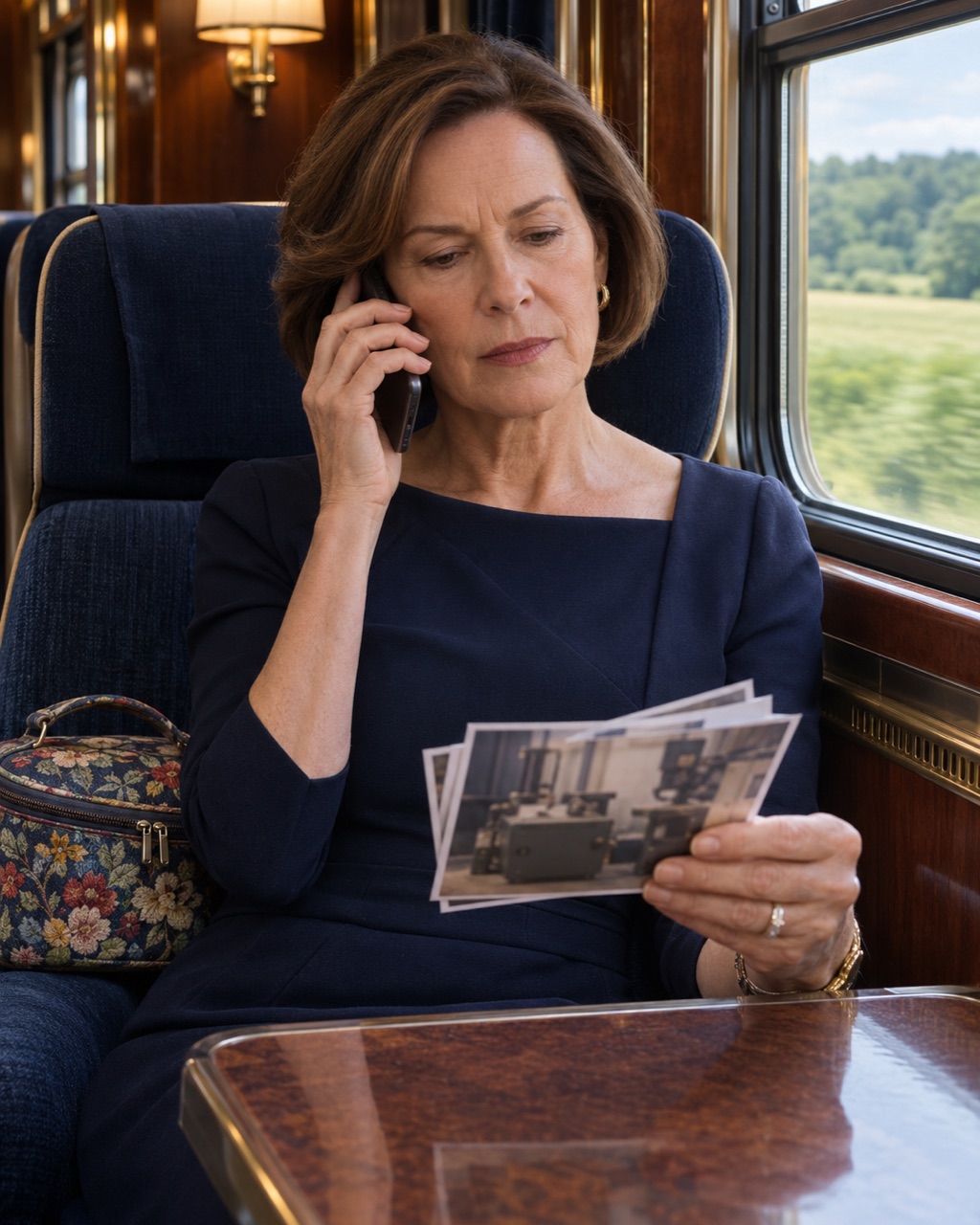
Before calling anyone, I opened the photographs I kept of the machines.
Some showed them in my old shop. Others showed the identifying plates and details I had photographed when I bought and maintained equipment.
I also had saved copies of my original purchase receipts.
The originals were still mine.
I had kept pictures of those because paper fades and because I liked having records I could reach without going through a drawer.
I checked each image against the next.
I wasn’t looking for something new.
I was making sure the mover would have enough to know exactly what belonged to me.
Brooke sent a short reply asking whether the mover would know how to disconnect and handle commercial equipment.
“That’s what I’m checking,” I wrote.
Then I called an insured machinery mover.
I explained that the machines were in a home workroom and that I needed a consensual pickup the following morning, before a proposed buyer’s visit.
I did not tell the entire station story.
The mover needed facts.
Three commercial sewing machines.
Their location.
Their identifying photographs.
The destination.
A person present at pickup who had to consent to entry.
I asked about insurance and handling.
I asked how condition would be documented before the equipment moved.
The answers were practical, which was what I needed.
The mover could make the requested morning work, subject to the final access agreement and the information I was sending.
I did not call that a finished booking yet.
Brooke still had to agree.
I sent her the mover’s proposed arrangements and asked whether she would be present. I included the point that the agreed equipment would be checked against photographs before removal.
Then I turned to the destination.
My home workroom had space.
The machines had never been needed in Brooke’s house more than they belonged in mine. I had simply arranged my sewing differently while she used them.
Now they could come home.
I made an entry arrangement using the lockbox at my own house and gave the mover my express permission to enter for this delivery.
The access details went privately.
They did not go into a family argument.
I explained which room the equipment belonged in and sent the information needed to find it without opening unrelated doors or moving through the house unnecessarily.
I would not be there.
That did not mean I had to leave entry vague.
I checked the instructions again before sending them.
The mover asked me to confirm that Brooke would permit collection and that the machines shown were the ones to be moved.
“I’m getting that in writing,” I said.
I knew the difference between owning something and having permission to walk into someone else’s house.
I intended to keep both parts straight.
When I finished the call, I set the phone beside my bag and rubbed the place where my glasses rested on my nose.
Only then did I open the sewing I had brought.
I threaded a needle.
The phone lit up before I made much progress.
Brooke had read the conditions.
She wanted the photographs kept private and wanted to be present for the condition check.
I agreed.
Those were reasonable requests.
I wrote that no photographs of her customers’ clothing or personal belongings were needed. The images could be close enough to identify the machines and show their condition.
She replied that the proposed morning arrangement might work.
Might was not consent.
I didn’t pretend otherwise.
I sent the mover’s handling information and asked her to confirm the machines once she saw my pictures.
Then I laid the fabric flat across my lap.
I wanted the return finished, but I wasn’t going to rush past the part that made it clear and lawful.
The old message established why I could ask for my property back.
The receipts and photographs would establish exactly what was coming home.
My phone lit again.
Brooke had sent a question that needed an answer before she would agree.
“How are you going to prove which machines in my workroom are yours?”
Chapter 8: The Pictures I Kept
“I’m sending the identifying photographs now,” I wrote.
I opened the images and checked that none showed anything Brooke had asked me to keep private.
The pictures were of my equipment.
Identifying plates.
Machine bodies.
Details I could match to the purchase records.
I sent the relevant photographs privately, followed by the purchase information that went with them.
I did not put them in a family group conversation.
I did not send them to the buyer.
I had never spoken to the buyer, and I was not starting now.
Brooke needed to confirm what was in her workroom. The mover needed to know what to collect.
Nobody else needed the material.
I watched the images finish sending.
Then I went back through them in the order she would see them.
I could still remember standing in my old shop taking some of those pictures. I had wanted a record of equipment that cost real money and mattered to my work.
Keeping them had seemed ordinary.
It was ordinary.
It was also useful now.
Brooke didn’t answer immediately.
I set the phone down and took up my sewing.
The fabric kept sliding because I was looking at the screen instead of the seam. I folded it and put it away rather than make a mistake I would have to undo later.
My phone finally lit.
“Those are the machines,” Brooke wrote.
I read it again.
Not because it surprised me.
Because I wanted her confirmation saved alongside the pictures.
“Those are the machines in your workroom that I lent you?” I asked.
Her answer came back.
“Yes.”
I let my shoulders settle against the seat.
We were no longer arguing about whether the equipment had been mine, or whether there might be confusion about which machines the mover should take.
The old acknowledgment and the identifying photographs were now connected by Brooke’s own confirmation.
I sent that confirmation to the mover with the agreed pictures.
Only the information needed for the job.
I kept the family messages out of it.
The mover confirmed that the photographs were clear enough to use for identification and that condition pictures could be taken before loading with Brooke’s consent.
I passed that wording to her.
She asked whether she could take her own pictures.
“Yes,” I wrote. “Please do.”
I wanted her to have the same record I had.
I wasn’t trying to create a situation where only I could describe how things looked.
She could photograph the equipment before it left, watch the condition check, and see that nothing else was being removed.
There was nothing about that arrangement I needed to hide.
Brooke replied that she did not want the mover taking fabric or supplies from around the machines.
I repeated that the pickup was only for the identified equipment.
The rest stayed.
I could see that she was beginning to separate the return from her fear of losing control over the room.
That was useful.
Her home would remain hers.
The machines would return to mine.
The afternoon moved on while we exchanged the practical details.
I checked each message before responding.
It would have been easy to type something about the station, about calling me a liar, about how different she sounded now.
I didn’t.
I wanted the return agreed before I spent any more words on how she had treated me.
I sent the complete pickup conditions together so she wouldn’t have to piece them across the conversation.
The mover would come the following morning before the buyer’s proposed visit.
Brooke would be there and allow entry.
The equipment would be matched to the agreed photographs.
Condition photographs would be taken privately with her consent.
Only my three machines would leave.
I would pay the mover directly.
Delivery would go to my home under the entry arrangement I had made.
Then I asked her to agree plainly if those conditions were acceptable.
The screen showed her response beginning, stopping, then beginning again.
I waited.
There was nothing to gain by sending another message while she was writing.
At last, her reply arrived.
She agreed to the insured mover collecting the identified machines the following morning under those conditions. She would be present and permit entry and the condition photographs.
I read the entire response before answering.
“Thank you. I’m confirming the booking.”
It was not forgiveness.
It was acknowledgment of her consent.
I sent the written approval to the mover and finalized the arrangement. I confirmed that payment would come from me and that no one was to rely on a different family member for access to my house.
The mover had my instructions.
Brooke had the pickup details.
The machines had been identified.
I opened the saved old message again, then closed it.
I didn’t need to keep looking at it now.
It had done what it needed to do.
For the first time since the station, I took out my sewing without immediately putting it away.
I got through the place I had been trying to finish.
Then I checked the conversation one more time.
The pickup was agreed.
There was still another appointment on Brooke’s morning.
I had no intention of having a buyer arrive expecting to collect equipment while a mover was carrying it out.
I was not going to make that phone call for her.
She had made the offer.
She needed to cancel it.
I typed the question, read it, and sent it.
“Have you told the buyer not to come?”
Chapter 9: The Visit She Canceled
Brooke’s reply arrived while I was putting my sewing away.
“I told him the machines aren’t for sale and canceled the visit.”
I sat down again.
The words were short enough to read at a glance, but I read them slowly.
There would not be a buyer arriving to argue about equipment I had never offered.
There was no deposit to return.
There was no signed sale contract to untangle.
The proposed sale was canceled because Brooke had finally told the buyer what should have been clear before she made the offer.
The machines were not hers to sell.
I replied that I had received her confirmation.
Nothing more was needed from me to the buyer.
I did not ask for contact information.
I did not demand to inspect the buyer’s messages.
Brooke had put the cancellation in writing. The mover had the pickup agreement.
I wanted the equipment home, not a new argument with someone who had relied on Brooke’s description.
I saved her cancellation with the pickup messages.
Then I checked the mover’s confirmation again.
The following morning was arranged.
For a while, the phone stayed quiet.
I took my clothes from the bag and put the sewing where I could find it. The ordinary actions felt good after holding the same device through so much unpleasantness.
I was on the visit I had planned.
I intended to be present for it.
Then Evan called.
I knew from the way he said my name that he wasn’t calling only to ask about the trip.
“Mom, Brooke canceled it.”
“She told me.”
“She’s pretty upset.”
“I understand.”
There was a pause.
I waited.
He had already seen the message. He knew the machines had been borrowed. I hoped he was calling to say that he understood why I was having them returned.
Instead, he began talking about Brooke’s organizing business.
“She really wanted to get out of alterations.”
“I know.”
“She had plans for that money.”
“I know that, too.”
He let out a breath.
I moved the phone to my other ear and sat at the edge of the bed.
I did not want to have another station conversation from somewhere else.
“Evan, the pickup is arranged. Brooke has agreed.”
“I’m not asking you to stop the pickup.”
That was new.
I waited for what he was asking.
“Could you help her get started another way?”
I looked at the sewing bag beside my feet.
“How?”
“Help with the money.”
There it was.
The machines could come home if I supplied what Brooke had expected to get for selling them.
He had changed the request.
Not the result he wanted from me.
“She lost the offer,” he said.
“She offered something she didn’t own.”
“I understand that now.”
“Do you?”
He went quiet.
I did not fill the pause.
I had spent years answering quickly when he sounded uncomfortable. Finding a softer word. Explaining Brooke to him or him to Brooke. Making an arrangement so nobody had to stay upset for long.
This time, I wanted him to finish what he was asking.
“Couldn’t you give her some help?” he said.
“I already did.”
“With the machines. I mean now.”
“That was six years of help.”
He made a small sound, not quite disagreement.
I pressed the fabric edge of my sewing bag between my fingers.
It was such an ordinary thing to be holding while my son asked me to replace money his wife had never been entitled to receive.
“Is this a gift you’re asking for?” I said.
“I don’t know. We could work something out.”
“I’m not agreeing to something vague.”
He paused again.
I heard Brooke in the background, too far away for words to be clear.
I didn’t ask whether she had told him to call.
He was the one making the request.
He was responsible for it.
“Can you just think about it?” he asked.
I looked toward my bag.
“I’ll answer you before the mover arrives.”
He thanked me too quickly.
I stopped him.
“That is not an agreement to pay.”
“I know.”
“Please make sure Brooke knows that.”
He said he would.
After we ended the call, I set the phone on the bed and went back through the pickup conditions.
Nothing in them promised money to Brooke.
Nothing needed to change.
The mover was being paid for moving my property. That was the only new expense I had agreed to.
I checked the home entry instructions again and confirmed the workroom placement.
Those were practical responsibilities I had taken on.
Starting Brooke’s next business was not.
Still, I understood why Evan thought asking again might work.
He had seen me solve problems before.
When something could be made easier by sewing, paying, storing, lending, or staying quiet, I had often done it.
He had come to expect the solution to involve something of mine.
I put the phone away and finished unpacking.
When I picked it up again, there was a message from him.
“Please let us know before the pickup. We need to know what she can count on.”
I sat with that for a moment.
Brooke could count on the mover arriving under the conditions she had accepted.
She could count on me not entering her house without permission.
She could count on me paying for the return I had arranged.
That was what I was going to tell him.
I opened his message to answer the request before the mover arrived.
Chapter 10: The Check Before Loading
“I’m not providing replacement money for Brooke’s business,” I wrote.
I read the sentence before sending it to Evan.
Then I added that the pickup would proceed as agreed and that I would pay the mover directly.
No insult.
No bargaining amount.
No suggestion that a different request later might get a different answer.
Evan replied that he had hoped I would reconsider.
“I have answered,” I wrote.
I set the phone down and washed my face.
The following morning had arrived, and I wanted to be ready when the mover called. I put my glasses beside the phone and opened the agreed photographs.
The equipment had to be checked before it moved.
That part deserved my attention more than another exchange about money.
Brooke sent a message saying the mover was there.
I asked whether she was present and permitting entry under our agreement.
“Yes,” she replied.
I saved it.
Then the mover called to confirm access at pickup.
I said Brooke had agreed in writing and was there. The mover confirmed she was allowing entry and that the identification check was beginning.
There was no argument about being sent to a house unexpectedly.
No one was being asked to rely on my family relationship.
There was a request, her consent, and a job the mover had agreed to perform.
I took the call sitting at a table with my phone and the machine photographs in front of me.
The first picture arrived privately.
It showed a machine in Brooke’s workroom, close enough to see the identifying details without showing the rest of the room.
I compared it with mine.
It matched.
The mover confirmed the same.
Then another image came through.
Brooke had agreed to the photographs and was taking her own as well. I was glad she was.
If there were questions later, we would both have a record.
I wasn’t trying to make her dependent on my description of the condition.
The next machine matched, too.
I enlarged the image and checked the details against the purchase information I had sent.
There were marks I recognized from use.
Nothing in those photographs looked like an entirely different machine or something substituted in a hurry.
They were mine.
They had been working in that room for years, and now someone was checking them carefully before taking them out.
Brooke sent a message.
“Do you want the things around them moved?”
“Only what the mover needs clear to handle the machines,” I replied. “Your supplies stay.”
She answered that she understood.
I could have asked Evan why he wasn’t the one writing. I didn’t.
Brooke had consented.
Brooke was present.
There was no need to create another route through him.
The mover described the condition check before loading. I asked for clear photographs of the areas needed to show that the machines were intact.
Not staged pictures.
Useful ones.
I wanted to see what was leaving their workroom and what would arrive at mine.
While I waited for the remaining images, Evan messaged.
“Brooke knows you aren’t helping with the business.”
I put the phone down briefly.
He had finally delivered an answer without asking me to soften it.
I replied that I appreciated him making that clear.
I did not thank him for allowing the machines to come home.
They were mine.
The third machine’s pictures arrived.
I leaned closer.
The identifying details matched the records I had sent. The mover was still checking the condition and what needed securing for transport.
I waited rather than asking for an instant conclusion.
Commercial equipment needed careful handling.
That had been the reason for hiring the right mover instead of asking Evan to load whatever he could into a vehicle.
Brooke asked whether the mover could leave everything else in the room where it was.
I repeated that only my equipment was being collected.
The mover confirmed the same understanding.
She sent a short reply.
“All right.”
I could hear ordinary movement through the phone when the mover called again. Brooke was there, answering the access and room questions herself.
She was not happy.
She was cooperating.
Those were different things, and I did not require the first one.
I needed the second.
I checked the delivery instructions again.
The lockbox access was ready.
The workroom was identified.
The mover had my express permission to enter my home and place the equipment there.
I confirmed that no one else needed to approve that part.
It was my house.
That was a useful sentence to be able to say plainly after the station.
The mover said the identification checks were complete.
I asked about condition.
The answer was not finished yet. The mover was making the final check before securing everything for transport.
I looked at the images on my screen.
For six years, I had mostly seen those machines when visiting Evan and Brooke. I had grown used to seeing her things around them and her work on top of them.
Soon, they would be in my own workroom.
I didn’t celebrate before the check was done.
I asked Brooke whether she had received the same condition pictures.
“Yes,” she wrote.
The mover said the last check was complete and asked me to stay on the line for the condition report.
Chapter 11: The Door I Authorized
“All three machines are intact,” the mover said.
I sat back in my chair and let the words finish before I answered.
“Thank you. Please proceed under the agreed arrangements.”
The mover confirmed that Brooke was present and still consenting to the collection. The photographs had been taken, the equipment matched, and the condition recorded.
I asked that the machines be handled as discussed.
Then I let the mover work.
I did not need to supervise every motion through a phone.
I had hired someone who knew how to do this.
My job was to keep the access and instructions clear, answer questions, and pay directly.
Brooke sent another photograph privately.
The machines were being prepared to leave the workroom. Her supplies were still there.
I looked carefully before replying.
“Received. Thank you.”
I could have written more.
I could have mentioned that this was what returning borrowed property looked like.
I didn’t.
The machines were on their way out under her consent. There was no reason to add a remark that might start another argument while people were handling heavy equipment in her house.
The mover called after collection.
The machines had been secured for transport.
Nothing else had been taken.
Brooke had been there for the pickup and had the condition record.
I saved the collection confirmation.
Then I moved to the delivery messages.
My house would be empty when the mover arrived. That had worried me when I first started making calls, but I had given the problem the attention it needed.
The lockbox was there for permitted access.
The mover had instructions from me, not from Evan or Brooke.
The workroom was ready.
I had sent a clear description of where the equipment belonged, along with what not to block.
I confirmed the access information privately again when needed.
No one was to be left guessing at my door.
The mover told me when the delivery was reaching my house.
I stayed beside the phone.
It felt strange to be away while my machines returned home.
I would rather have stood in the doorway and shown where I wanted them.
But I did not regret taking my trip.
Brooke’s plan had depended on the machines leaving while I was away. Their return did not require me to give up the visit.
The mover used the entry arrangement I had authorized and called after entering.
The right room was located.
I confirmed the placement instructions.
The call was plain and practical.
Was this the clear space?
Yes.
Should the equipment go as shown in the instructions?
Yes.
Was anything else to be moved?
Only what had already been agreed for placement.
There was no family argument in my workroom.
No discussion about whether I needed the machines enough to own them.
Just the work of bringing them inside.
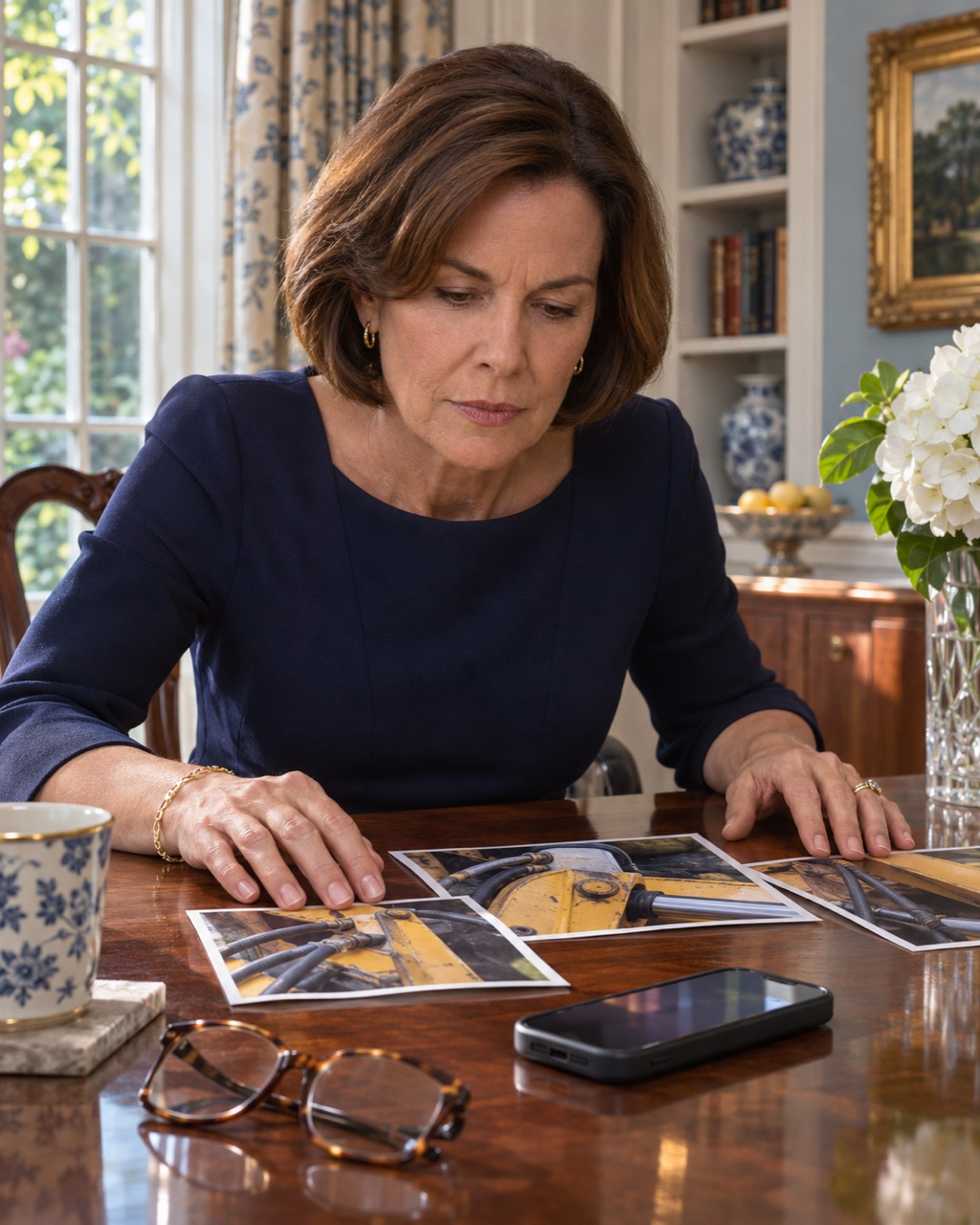
Photographs arrived as the delivery was completed.
I opened each one.
The equipment was in my home workroom.
All three machines.
I could see the familiar room around them instead of Brooke’s supplies. The places I had kept clear were now occupied by the equipment I had paid for.
I checked the identifying details against the pickup photographs.
They matched.
The mover confirmed that the machines had arrived intact and that the delivery was complete.
I asked about the condition record.
The mover sent the final photographs and confirmed that the same equipment had been delivered in the recorded condition.
I paid directly as arranged.
No money went through Brooke.
No part of that payment was for her new business.
It was payment for bringing my property home.
Before ending the job, I asked that the house be secured under the entry arrangement I had provided.
The mover confirmed it.
I saved the completion messages with the rest.
Then I set the phone down and sat without reaching for anything.
The sewing I had brought was nearby.
I picked it up eventually.
I could sew without stopping to check whether a buyer was about to take my equipment away.
Brooke messaged later.
“The machines are gone. The pickup is finished.”
“I received delivery confirmation,” I wrote.
I didn’t ask how empty the room looked.
She had wanted to clear it.
Now it was clear of my equipment, but there was no $8,500 coming from it.
That was the part she had not wanted.
The proposed sale was canceled. She had taken no money and signed no contract, so there was nothing to unwind beyond correcting the promise and canceling the visit.
Her organizing business would have to begin, if she still wanted it, without selling my machines or receiving replacement money from me.
I did not need to punish her further.
I needed the arrangement ended.
It was.
I returned to my visit.
I still checked the delivery pictures now and then, not because I doubted they were real but because I wanted to look at the room.
I noticed a few things I would move when I got home.
A place for my smaller tools.
A clearer surface for the work former customers brought.
Ordinary plans.
The phone rang while I was putting away the sewing again.
It was Evan.
I answered, expecting another question about Brooke’s business.
Instead, he said, “When you get back, may I come over and talk to you?”
Chapter 12: The Visit He Requested
“Yes, you may come over,” I told Evan.
“But I’m not discussing a payment to Brooke.”
“That isn’t why I’m asking.”
I accepted that answer and made the visit with him after I returned.
When he came to my house, I was in the workroom.
I had already stood beside each machine and checked it myself. The delivery photographs had been accurate.
All three were home intact.
I had wiped the surfaces with a clean cloth, put my smaller tools where I wanted them, and made sure I could move comfortably through the room.
Evan stopped in the doorway.
“They look right here.”
“They are mine.”
He nodded.
I set the cloth down.
I did not want to spend his visit cleaning the same spot because I was afraid to look at him.
He came in only after I moved aside.
There was no bag for him to carry, no travel information to check, no practical errand he could do instead of saying why he had come.
He looked at the equipment.
Then at me.
“I’m sorry for what I said at the station.”
“What part?”
He swallowed.
That question was not meant to make him suffer.
I needed to know whether he understood what he was apologizing for.
“For telling you to let her sell them,” he said. “And acting like you were the problem.”
I nodded.
He went on.
“I should have asked you when Brooke said they were a gift.”
“Yes.”
“I knew you supplied them. I just thought after that long—”
He stopped himself.
I waited.
“That isn’t an excuse,” he said.
“No.”
I pulled a chair away from the work surface and sat.
He sat nearby.
The machines were between us and the far side of the room. I could see the same identifying plate that had appeared in the pictures sent during pickup.
I rested my hands in my lap.
“When she called me a liar, you didn’t correct her.”
“I hadn’t seen the message.”
“You knew I was standing there saying they were lent.”
He looked down.
“I know.”
“You could have asked instead of deciding I should give them up.”
He rubbed his palms together.
“I’m sorry.”
I believed he was sorry.
I also knew apologies could be broad enough to leave the wrong story untouched.
I didn’t want him to go home and tell Brooke that I had become upset, changed my mind, and demanded a gift back.
That was not what happened.
“Tell me what the arrangement was,” I said.
He looked at me.
“You lent her the machines.”
“Yes.”
“You didn’t give them to her.”
I nodded again.
That was the sentence I needed him to be able to say without adding something that made it my fault.
Brooke’s message had not created a new arrangement at the station.
It had proved the old one.
“You didn’t decide at the station that you wanted a gift back,” Evan said.
“No.”
“She borrowed them.”
“Yes.”
He sat with that.
I picked a loose thread off my skirt and put it in the small container beside the table.
I had wanted to cry at the station.
I had not wanted strangers to see it, and I had been too occupied with keeping my machines from being sold.
Now, sitting in my own room with him, my eyes filled.
I took off my glasses and cleaned them.
Evan stayed in his chair.
He didn’t try to tell me it had all worked out.
That helped.
“You treated me as though I couldn’t remember what I had done,” I said.
“I did.”
“I remember my arrangements. If you don’t understand one, ask.”
“I will.”
“And if Brooke and I disagree about something I own, you don’t get to settle it by giving it to her.”
He looked directly at me.
“I understand.”
I put my glasses back on.
There was still hurt there.
I did not need to pretend otherwise for him to be allowed to visit.
But I could hear that he was finally answering the actual issue instead of the inconvenience it had caused him.
He looked around the room again.
“Are you going to take more sewing?”
“The work I want.”
“That sounds good.”
I didn’t need his approval.
Still, it was an ordinary question, asked without deciding for me. I answered it as one.
I showed him where I had put the smaller tools I had used while the commercial machines were away.
He listened.
He did not call them small things.
After a while, we moved out of the workroom and sat elsewhere.
He asked about my trip.
I told him about the sewing I had finished and being glad I had gone.
I didn’t turn my sister into part of the dispute.
She had nothing to do with getting the machines returned.
I had arranged that.
When Evan stood to leave, I went with him toward the door.
He paused before reaching it.
“I really am sorry, Mom.”
“I heard you.”
He nodded.
I wanted him to keep coming over.
I also wanted the false story corrected where it had started.
An apology to me was not the same as telling his wife that he no longer accepted her version.
I put my hand on the door handle.
“You’ve said to me that it was a loan,” I told him. “Will you say that to Brooke?”
Chapter 13: The Photograph I Took
“I will,” Evan said.
He stayed by the door until I nodded.
After he left, I went back to the workroom and put the cloth away. There were no arrangements left to make with a mover and no buyer’s visit hanging over the following morning.
The room was mine to use.
I opened the phone conversation once more, not to search backward but to check for the message Evan had promised.
It came later.
“I told Brooke the machines were lent, not given,” he wrote. “I told her you didn’t change your mind about a gift.”
I read it sitting beside my work surface.
Then I asked whether he had also made clear that he had been wrong to urge me to let her sell them.
“Yes,” he replied. “I told her that was wrong.”
I put the phone down.
That was the correction I had asked for.
Not a speech.
Not a family announcement.
He had accepted Brooke’s claim privately before the station, supported it in front of me, and now needed to stop repeating it at home.
He had done that.
Brooke messaged me afterward.
She acknowledged that the machines had been returned and that the proposed sale was canceled.
She also acknowledged that I would not be providing money for the organizing business.
Her message was not warm.
I didn’t pretend it was.
It did not contain another claim that the machines had been a gift. It did not ask whether she could borrow them again once I calmed down.
The loan was over.
I answered that I had received all three machines intact and that the return was complete.
I did not add an offer.
There would be no $8,500 from my equipment for her new venture.
There would be no replacement payment from me.
I did not know what form her organizing plans would take after that, and I did not have to make them work.
She had wanted to stop alterations and clear the room.
That part had happened.
What she lost was the sale money she had counted on collecting from property she did not own.
I saved her acknowledgment with the rest of the messages.
Then I put the phone away and started sewing.
Not much at first.
I wanted to get comfortable with the room as it was now arranged. I moved the smaller tools within reach and adjusted where I set the work waiting to be finished.
A former customer had brought me something ordinary.
I liked that.
There was a hem to check, fabric to smooth, and a seam that needed attention. Nobody needed me to defend my memory before I could do it.
I worked until I wanted to stop.
Then I stopped.
That was what retirement from the outside shop had been supposed to allow.
I could still sew without keeping shop hours.
I could still own equipment without using it every moment.
Those were not explanations I planned to keep offering Evan and Brooke.
They knew now.
On later visits, Evan knocked at the workroom doorway instead of wandering in and announcing what I ought to do with the space.
He asked before moving something.
If he wanted to know whether I still used a tool, he asked that question instead of telling me I could give it away.
The difference showed up in small things.
“Can I move this so I can sit?”
“Yes.”
“Do you want this put somewhere?”
“Leave it there.”
And he left it there.
I did not make every visit about the station.
He didn’t ask me to forget it.
That made it possible to talk about ordinary things again.
Brooke did not resume using the machines. She did not have permission to offer them for sale, and there was no uncertainty left about whether their years in her workroom had changed who owned them.
I kept the original purchase records.
I kept the identifying photographs.
I kept the old acknowledgment and the written consent to the pickup.
They were stored where I could find them without searching through the whole conversation.
But I stopped opening them.
The machines were home.
The canceled sale was no longer an emergency I needed to keep checking.
I put my attention back on the work I enjoyed.
Sometimes, I found myself reaching for one of the smaller tools the way I had while the commercial equipment was away. Then I would look across the room and remember I could do the work where I preferred.
I changed my habits gradually.
I cleared a place for finished sewing.
I kept the room comfortable rather than treating it like storage for equipment I had to justify bringing back.
The machines were not crowded together waiting for somebody else to decide where they belonged.
They were set up for me.
One afternoon, I finished a piece of sewing and laid it flat.
The light in the room was good.
I could see the machines clearly, all of them in their places, with my tools nearby and no boxes waiting to go somewhere else.
I reached for my phone.
For a moment, the screen opened to Brooke’s conversation.
I closed it.
I didn’t need the old message for this.
I opened the camera instead and stood where I could fit all three machines in the picture.
I checked that the image was clear.
Then I took another view showing how they sat in my home workroom.
These weren’t condition photographs for a mover.
They weren’t proof I needed to hold toward someone who was denying what she had borrowed.
I wanted a picture of my room after I had finished putting it the way I liked.
I looked at the photograph.
The equipment was intact. My sewing was on the table. The space was ready for whatever work I chose to take next.
I saved the picture and set Denise’s phone beside the sewing.
You Might Also Enjoy




