My Husband Emptied My Purse While I Grieved, His Girlfriend Watching — Then I Reached For My Phone
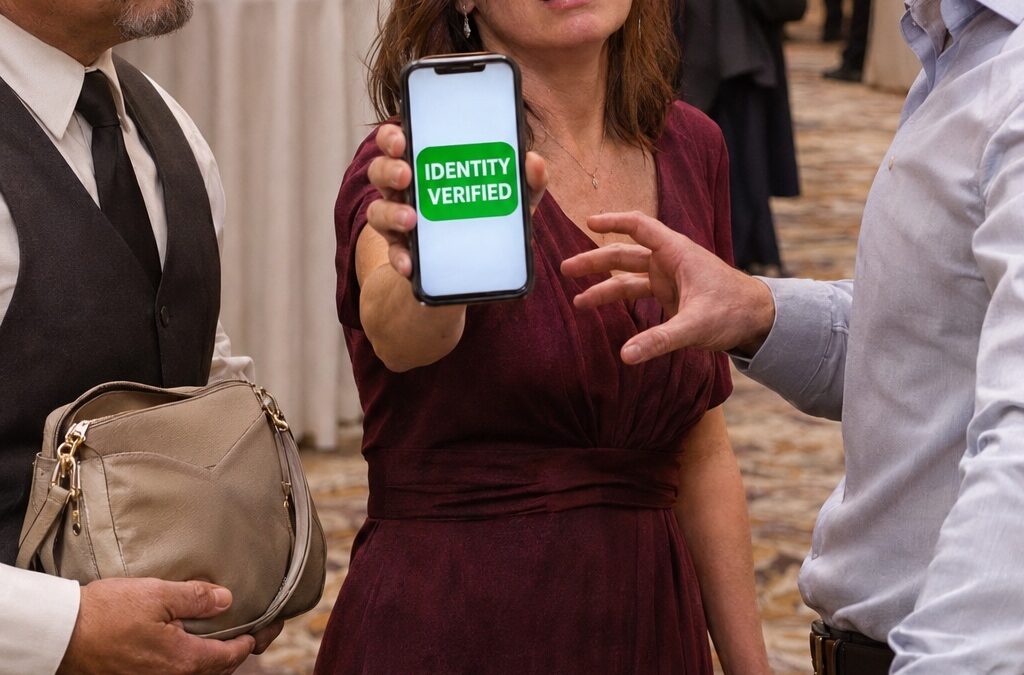
Part 3: The Voice On The Phone
“You are the primary account holder,” the representative told me.
“Is there another account owner?”
“No. Your husband is listed as an authorized user.”
I repeated it so Grant could hear.
“You’re an authorized user. This account belongs to me.”
His hand dropped.
I had opened that credit-card account in 2019. I added him after we married because he handled errands. Groceries, gasoline, household purchases—having another card seemed convenient.
His name appeared on the card he carried.
That did not make him an owner.
He had never asked to see the account agreement. I managed the payments, and he called everything ours. Until that evening, I had usually let him.
“I want his authorized-user access removed,” I told the representative.
“And his associated card credentials deactivated for future use.”
She explained what the change would and wouldn’t do.
It would not erase purchases already made.
It would not remove legitimate pending transactions.
It would not make him responsible to the issuer instead of me.
“I understand,” I said.
“Please make the change.”
Grant looked at the phone.
Then he looked at the drink he had put down.
“This has my name on it.”
He had taken his card from his wallet.
I could see his thumb covering the bottom corner.
“You have permission to use it,” I said.
“That’s what I’m ending.”
“We opened this when we got married.”
“I opened it. Then I added you.”
He looked toward Sylvia.
She was holding the jacket she had retrieved for him.
My purse sat on the ledge beside the water station.
Luis had placed it there after helping me.
The ballroom music continued behind us.
Someone laughed near a table.
The representative asked me to confirm the request.
I did.
Grant stepped closer.
“Tell her to wait.”
I turned slightly, keeping the phone against my ear.
“I’m ready for you to proceed.”
The representative explained what she was processing.
I listened without answering Grant.
He kept the card between his fingers.
He had seen me finish the identity check.
He had heard me reach the account options.
Now he was hearing exactly what those options included.
I asked about credentials associated with his card.
I wanted his access stopped for future transactions.
The representative explained what the issuer could deactivate.
She also explained that legitimate earlier transactions could still post.
“I’m not disputing those,” I said.
Grant looked up at that.
I did not want to argue about groceries beside a wedding cake.
I wanted him unable to make another purchase on my account.
Those were different things.
The representative confirmed that the request had been completed.
I asked for confirmation through my secure account messages.
Then I thanked her and ended the call.
Grant held out his hand.
“Let me see.”
“No.”
“I want to know what you told them.”
“You heard me.”
He put his card back into his wallet.
He did it slowly, checking its slot afterward.
Kelsey stood behind him, holding nothing.
Her purse remained over her shoulder.
Nobody had asked her to empty it.
“You said you could arrange the apartment,” she told him.
“I can.”
“With that?”
She glanced at his wallet.
Grant looked toward the nearby tables.
“We’re not discussing this in front of strangers.”
“You started discussing it here,” I said.
Luis moved my purse closer to me.
“Would you like to check everything again, ma’am?”
“Yes. Thank you.”
Grant turned toward him.
“You’ve already helped.”
Luis kept one hand beside the water pitcher.
“I want to make sure nothing’s missing.”
I opened the purse.
Wallet, keys, lipstick, tissues.
The ring box was near the bottom.
Its lid was closed around my wedding band.
I touched the corner before closing the zipper.
Grant watched the movement.
“You’re making a performance out of this.”
I looked at the carpet.
I could still see where my lipstick had rolled.
“I’m checking my belongings.”
“You’ve made everyone think I don’t support this household.”
Luis looked directly at him.
“Near this station, you said she worked weekends.”
Grant’s mouth tightened.
“You don’t know our finances.”
“No, sir. I’m telling you what I heard.”
Luis did not raise his voice.
That made Grant’s answer carry farther.
“I was trying to explain an arrangement.”
“You said I’d always found extra work,” I said.
“You said I could do it again.”
“That doesn’t mean you paid for everything.”
“I haven’t said I did.”
I had spent six years covering shortages.
That did not mean every household purchase was mine.
It meant my weekends had become the answer whenever his spending left us short.
He had admitted that near the water station.
Then he had denied it when people looked over.
Luis had heard both.
Sylvia touched Grant’s arm.
“We need somewhere private.”
I looked at her hand on his sleeve.
She still had not asked whether I had everything.
“I’m leaving,” I said.
Grant turned back to me.
“You can’t just leave.”
“Yes, I can.”
“We came here to talk.”
“You asked me for money.”
“I asked you to help.”
“You asked for Kelsey’s deposit and rent.”
Kelsey shifted her purse strap.
Grant lowered his voice.
“You have more than enough.”
“I’m not paying it.”
“You’ve shut off a card to prove a point.”
“I removed your access because I don’t consent.”
He looked at my phone again.
“The inheritance isn’t just sitting there for you.”
I put the phone inside my purse.
“It isn’t sitting there for Kelsey.”
Sylvia glanced toward the bride’s table.
“Please remember where we are.”
I knew exactly where we were.
An unnamed hotel ballroom in Louisville.
Grant’s cousin’s wedding reception.
February 15, 2025.
Twelve days after Grandma’s funeral.
I had not forgotten any of it.
Luis gestured toward a side door.
“That leads to the lobby without crossing the floor.”
“I’d appreciate that.”
He moved ahead to open it.
Grant followed before I had taken two steps.
“We’ll talk out there.”
“I’m going to the lobby.”
“So am I.”
I did not argue about the corridor.
I wanted out of the ballroom.
Kelsey came behind him.
Sylvia followed with his jacket folded over her arm.
At the doorway, Grant leaned closer.
“You still have obligations at home.”
“I know.”
“Then stop acting like everything belongs to you.”
“I’m talking about my credit account.”
“And your grandmother’s money.”
I stopped beside the open door.
He glanced at my purse.
Then he asked the question he should have asked earlier.
“It went into our checking, didn’t it?”
Part 4: What Never Reached Our Checking
“No,” I said.
Grant looked at me without speaking.
I adjusted the purse strap on my shoulder.
“The inheritance never went into household checking.”
He glanced at Kelsey, then back at me.
“Where did it go?”
“Into an account in my name.”
“You opened another account?”
“Yes.”
“When?”
“The transfer arrived February 10.”
That had been five days before the wedding.
Grandma died January 24, 2025.
Her funeral was February 3.
I had spent the days between those dates answering calls and finding papers.
Grant knew she had named me as beneficiary.
He knew the bank was processing the transfer.
He had assumed the money would arrive with our wages.
I had not told him that.
He had not asked.
Grandma’s savings passed to me through her payable-on-death designation.
The bank completed its requirements.
Then the $86,000 went directly into my new account.
It had never passed through household checking.
I had not put shared wages into it.
Grant was not an owner or authorized signer.
“So you planned this,” he said.
“I handled Grandma’s account.”
“Without telling your husband.”
“I told you she left me money.”
“You didn’t tell me you were hiding it.”
Luis stood beside the door, waiting.
I stepped into the corridor.
“I’m not giving you account details here.”
Kelsey followed us out.
“You told me the money had come,” she said.
“It did,” Grant answered.
“You said the deposit was handled.”
“I said we could handle it.”
“No. You said it was handled.”
He put on the jacket Sylvia finally handed him.
One sleeve caught against his wristwatch.
He pulled it hard, then straightened the cuff.
I watched him finish before speaking.
“What exactly did you promise?”
He looked annoyed by the question.
“We discussed helping her get established.”
“You discussed me paying.”
“You weren’t using it yet.”
The corridor carpet had a different pattern.
I stared at it for a moment.
I had been thinking about dental appointments.
About not volunteering for another weekend.
About replacing things I kept repairing.
He had been thinking about Kelsey’s apartment.
“The deposit is $3,200,” I said.
“And six months at $1,600.”
Grant rubbed his forehead.
“We already did the numbers.”
“Yes. $9,600 in rent.”
Kelsey looked down.
“And $12,800 altogether,” I finished.
“I know what it is,” Grant said.
“Then don’t call it just a deposit.”
Sylvia moved closer.
“Elaine, people can hear.”
“I’m answering him.”
Kelsey asked whether I had seen the application.
“No.”
Grant cut in.
“There’s no reason to get technical.”
“I haven’t signed an application.”
I looked at Kelsey.
“I haven’t signed a guarantee or rental agreement.”
She nodded once.
“I understand.”
Grant turned toward her.
“You don’t need to agree with everything she says.”
“She’s saying she didn’t sign.”
“I was going to take care of it.”
“With your money?” I asked.
He looked back at me.
“You know this could make everything easier.”
“For whom?”
“For all of us.”
I did not answer that.
Luis indicated the lobby ahead.
“There are chairs near the doors.”
I thanked him and kept walking.
Grant stayed beside me.
He was 43.
I was 41.
We had been married since 2019.
Until that evening, I had still been thinking about how to discuss the affair without crying through every sentence.
He had invited me to the wedding as a chance to talk.
He had not said he meant an apartment budget.
At the lobby, I sat down.
My cheeks were wet.
I took a tissue from my purse.
Luis waited a little way away.
Grant stood in front of me.
“Come home tonight.”
“I’m staying somewhere else.”
“You’re upset.”
“Yes.”
“That’s why we shouldn’t decide anything.”
“I’m deciding where I sleep.”
Sylvia stood beside a table with flowers on it.
Kelsey remained near the corridor.
Neither looked comfortable.
I did not try to make them comfortable.
Grant crouched near my chair.
“I didn’t mean for your things to spill.”
“You turned the purse upside down.”
“I was trying to get you to listen.”
“I had already answered.”
He lowered his voice further.
“Can we not do this with the hotel staff watching?”
I looked toward Luis.
“I’d like him nearby.”
Luis stayed where he was.
Grant stood up.
I booked a room at another hotel on my phone.
I checked the address twice.
Then I waited until I felt ready to drive.
We had brought separate cars.
Grant had said he might stay late.
I had assumed he meant drinking with family.
Now I was grateful my keys were mine.
Luis asked whether I wanted help reaching the parking area.
“Yes, please.”
Grant stepped away from the chair.
“I’m not stopping you.”
“I know.”
He followed us as far as the doors.
“What about our rent?”
“I’ll address what I owe.”
“The utilities?”
“Those too.”
“You don’t get to leave me with everything.”
“I’m not pretending those obligations disappeared.”
He looked as if he had expected another answer.
I stood with one hand on my purse.
“I’m getting advice before making arrangements.”
“From whom?”
“I’ll let you know when there’s something to discuss.”
Luis walked outside with me.
At my car, he offered his work contact information.
“If you need to confirm what happened, contact the hotel.”
“I may need that.”
“I can provide what I witnessed.”
He did not promise anything else.
I thanked him.
Then I sat behind the wheel until my breathing settled.
My work shoes were on the back floor.
An apron waited in a bag beside them.
I drove to the other hotel.
Inside the room, I put my purse on a chair.
I set the ring box on the dresser.
I did not open it.
I washed my face with the hotel washcloth.
My phone sounded before I had finished drying it.
Grant had sent a message.
“You promised the deposit. Don’t rewrite this now.”
Part 5: The Appointment I Kept
I read the message twice.
Then I typed one answer.
“I never agreed to pay Kelsey’s deposit or rent.”
I saved the whole conversation.
Not just his message.
Mine too.
I wanted the exchange in its original order.
He asked where I was staying.
I told him I was safe.
I did not give him the room number.
Then I put the phone on the desk.
The room had a chair that scraped against the carpet.
I sat in it and checked my credit account.
The confirmation was in my secure messages.
Grant’s authorized-user access had been removed.
The existing transactions were still listed.
Nothing about that surprised me.
I had listened to the representative.
I wrote down the things still connecting us.
The lease.
Utilities.
Household checking.
The credit balance.
Belongings in the apartment.
I put Grandma’s transfer on another line.
Then I opened my work schedule.
I was due back in the hospital kitchen.
I needed clean uniforms before then.
That was the first problem I could solve.
I arranged a brief trip home for clothes.
I told Grant when I would arrive.
He wanted to talk while I packed.
I told him I was collecting uniforms.
He followed me to the bedroom doorway.
“This is getting ridiculous.”
I folded the same shirt twice before putting it away.
“I’ll contact you about the other things.”
“You’re acting like I’m dangerous.”
“I’m asking for space.”
He stood there while I filled a bag.
I took only my clothes and toiletries.
I left the household belongings where they were.
Back in the car, I checked that I had my work shoes.
Then I drove away.
On February 18, 2025, I met Monica.
She was 49.
Her office had a plain desk and a spare chair.
I had brought the documents she requested.
My lease.
Account statements.
The inheritance records.
Screenshots of Grant’s messages.
When I reached for my identification, the ring box came out.
I put it beside my wallet.
Monica glanced at it, then returned to the paperwork.
“What do you want help doing first?”
“Leaving without creating another problem.”
She nodded.
“Then we start with what actually exists.”
We had no children.
We did not own a home.
We had the shared apartment lease.
The credit account was mine individually.
Grant was no longer an authorized user.
She asked whether I had signed anything for Kelsey.
“No.”
“Anything electronically?”
“No.”
“An application or a guarantee?”
“Nothing.”
She made a note.
“Keep it that way while we sort this out.”
I looked down at my hands.
There was a pale strip where my ring had been.
Monica asked about Grandma’s money.
I showed her the beneficiary paperwork.
Then the transfer confirmation.
Then the new account statement.
“Did any of this enter joint checking?”
“No.”
“Have you added marital earnings to this account?”
“No.”
“Paid shared bills from it?”
“No.”
She explained why those records mattered.
Inherited funds were treated differently from marital earnings.
Keeping them traceable helped.
She did not promise that Grant would never argue.
She said we would preserve the evidence.
That was enough for the appointment.
I did not need her to predict every result.
I needed to know what to do that afternoon.
Next, she reviewed the credit account.
“You remain responsible to the issuer.”
“I understand.”
“Removing his access stops future permission.”
“It doesn’t erase what was already spent.”
“Correct.”
She explained that a divorce settlement could divide responsibility between us.
That would not rewrite my agreement with the issuer.
I wrote it in my notebook.
Bank responsibility.
Settlement responsibility.
Separate questions.
We discussed the lease.
Moving out had not removed my name.
I would need a lawful resolution with the landlord.
Grant could not make Kelsey’s apartment my obligation.
But our existing lease was real.
I asked about household checking.
“Don’t empty it,” Monica said.
“I haven’t.”
“We’ll account for scheduled legitimate payments.”
I redirected future payroll into my own ordinary account.
I kept that account separate from the inheritance.
I checked what bills were scheduled.
I did not shut off the apartment utilities.
I did not withdraw the joint balance.
Grant received information about the payments we needed to address.
He did not receive control of my future wages.
Monica asked me to describe the reception.
I began with Grant asking for the money.
Then the purse.
Then Sylvia collecting his jacket.
“He didn’t hit me,” I added.
Monica looked up.
“I’m asking what happened, not what didn’t.”
I pressed my thumb against the notebook edge.
“He turned the purse over.”
“Who saw him clearly?”
“Luis. The banquet captain.”
I gave her his work contact information.
She asked permission to request a factual account.
“Yes.”
She told me to preserve messages.
She also told me not to argue with wedding guests.
I had no energy for that anyway.
I was working, sleeping elsewhere, and finding socks in bags.
On February 21, 2025, Monica filed the divorce petition.
Grant was subsequently served through ordinary process.
There was no surprise confrontation at his workplace.
I learned the service was completed through Monica.
Grant called after receiving the papers.
I let it go to voicemail.
He said I was making a private problem public.
Then he said we could handle things properly.
I saved the recording.
I did not answer while upset.
The next proposal arrived through the legal channels.
Monica reviewed it with me.
Grant wanted an interim household arrangement.
That part was reasonable to discuss.
Then I read the details.
He wanted me to keep paying as before.
He would decide later where he wanted to live.
Part 6: The Keys We Both Returned
I put Grant’s proposal back on Monica’s desk.
“He wants nothing to change for him.”
“Some of these expenses still need handling.”
“I know.”
“We’ll separate those from his preferences.”
That was how we worked through the page.
Rent existed.
Utilities existed.
Our lease had not disappeared because I moved out.
But Grant’s wish to keep the apartment indefinitely was different.
So was his wish to spend his wages elsewhere.
I would not agree to an open-ended arrangement.
Monica asked whether I wanted the apartment.
“No.”
I liked the kitchen window.
I liked being close to work.
I did not want to negotiate who could visit.
I did not want Kelsey’s belongings appearing beside mine.
We contacted the landlord about ending the lease.
The landlord asked about dates and possession.
Not the affair.
Not the purse.
There was no reason to explain the wedding.
We needed a written arrangement that released both tenants.
Grant initially said he might stay.
Then he asked whether I would keep paying my share.
I told him the question belonged in the negotiations.
He said that sounded cold.
I sent his message to Monica.
She answered through the proper channel.
Meanwhile, I needed my remaining belongings.
Grant and I agreed on a collection time.
I made a list first.
Clothes.
Personal papers.
Photographs.
Kitchen things I had owned before the marriage.
Anything disputed would wait.
I did not want a fight over a serving spoon.
Grant opened the door when I arrived.
My work shoes were in a grocery bag.
“I found these in the closet.”
“Thank you.”
I put them beside an empty box.
He watched me start packing.
The apartment smelled the same.
His jacket hung over a chair.
There were cups in the sink.
I washed one before realizing what I was doing.
Then I dried my hands and returned to packing.
Grant noticed.
“You don’t have to act like you’re a visitor.”
“I’m here for my things.”
He followed me into the kitchen.
I took my saucepan from the lower cabinet.
It was the one I used for Sylvia’s recovery suppers.
I wrapped the lid in a towel.
“Mom’s upset,” he said.
“I know.”
“She thinks you’ve stopped caring about her.”
I put the lid inside the box.
“I haven’t spoken to her about that.”
“She keeps mentioning your soup.”
I remembered the evening clearly.
I had come from a weekend kitchen shift.
My feet hurt inside my work shoes.
I made Sylvia supper because she was recovering from surgery.
Grant asked whether I could pick up more hours.
I had stood at the stove while he asked.
Now he watched me pack the same pot.
“Can’t you at least call her?”
“Not to discuss getting back together.”
“I didn’t say that.”
I waited.
He leaned against the counter.
“If you helped Kelsey get settled, this could go smoothly.”
I set the tape dispenser down.
“Those are separate things.”
“They aren’t separate to me.”
“They’re separate in the lease.”
“You really want everything handled by lawyers?”
“I want clear agreements.”
He looked at the boxes.
“You’ve got the money.”
“I’m not paying for her apartment.”
He walked out of the kitchen.
I finished wrapping the saucepan.
I carried the boxes to my car in several trips.
Grant did not help.
He also did not block the door.
I was grateful to finish without another scene.
The landlord began showing the apartment with appropriate notice.
A replacement tenant could begin April 1, 2025.
That gave us a practical option.
We reviewed the termination agreement before signing.
It stated what we needed to do.
Agreed charges.
Condition.
Return of possession.
Return of keys.
Release from future lease obligations once those requirements were satisfied.
On March 14, 2025, we signed it.
The landlord signed too.
Grant sat across the table from me.
He asked about the final inspection.
The landlord answered.
I asked where written confirmation would be sent.
The landlord answered that too.
Nobody discussed Kelsey.
Nobody asked what Grandma would have wanted.
It was an ordinary business appointment.
I read the release language again.
Then I signed.
We satisfied the agreed charges.
We cleared the apartment and returned possession and keys as required.
We received the written release.
I saved my copy with the agreement.
When I removed the old key, my key ring looked unfinished.
I kept turning it in my hand.
Then I put it in my pocket.
Household checking required another set of steps.
Scheduled legitimate payments had to clear first.
We reviewed what remained.
We accounted for it by mutual agreement.
Then we closed the account together.
I kept the closure confirmation.
Grant received his copy.
Neither of us could later claim the other had secretly drained it.
By then, my wages were reaching my own account.
Grandma’s money remained separate.
I rented an apartment I could afford on regular hours.
It was smaller than our old place.
The bedroom handle needed lifting before the door would close.
I reported it.
The landlord repaired it.
I put my saucepan in the cabinet.
I washed my uniforms in the evening.
I bought groceries without checking Grant’s plans.
Sometimes I made too much food.
I froze the extra.
Those portions became work lunches.
I was labeling one container when my phone sounded.
Another message about the divorce.
Grant wanted to know why he should contribute anything toward the existing card balance.
Part 7: The Charges Already Made
The final reconciled balance was $2,146.
I spread the statements across my kitchen table.
I checked dates.
Then merchant descriptions.
Then the transactions that had still been pending.
Some charges were groceries we both ate.
Some were ordinary household purchases.
Some were Grant’s spending before his access ended.
I recognized them.
I did not like every purchase.
That did not make each one fraudulent.
He had permission when he made them.
I had been the account owner then too.
I paid the $2,146 to the issuer.
I saved the payment confirmation.
Then Monica and I addressed how Grant and I would allocate it.
He first argued that removing him meant I had taken sole responsibility.
Monica pointed to the account records.
I had always been solely responsible to the issuer.
That was not a new choice made at the wedding.
The separate question was his agreed share of marital spending.
Grant then argued that I could afford more.
He mentioned my regular hospital work.
He mentioned Grandma’s money.
He said the balance would barely affect me.
I sat across from Monica while she read that response.
“He keeps answering whether I can pay.”
“Yes.”
“Not whether it’s his share.”
“Correct.”
We worked toward an ordinary negotiated division.
The proposed reimbursement was $1,073.
Half of the existing balance.
I would remain responsible to the issuer regardless.
Our agreement would require him to reimburse me.
Monica made sure I understood that distinction.
By then, I had it written in two places.
I still asked her to explain the enforcement language.
She did.
Grant wanted something else included.
A statement about the reception.
His proposed wording called the purse incident accidental.
I read it at my kitchen table.
Then I read it again.
The page described a spill during a disagreement.
It did not describe him holding the purse upside down.
It did not describe demanding money.
It did not describe me kneeling beside it.
I took my coffee cup to the sink.
There was lipstick on the rim.
I washed it longer than necessary.
Then I called Monica.
“I’m not signing that.”
“You don’t have to.”
“He says it’s just to stop gossip.”
“That doesn’t require an inaccurate statement.”
I looked back at the paper.
“I don’t want to drag this out.”
“Then we’ll say the wording is unacceptable and continue discussing the actual terms.”
She had already requested Luis’s account with my permission.
He provided what he had personally heard and seen.
He was 52.
He worked as the hotel’s banquet captain.
He had been near the water station.
He heard Grant acknowledge my extra weekend work.
He heard the discussion about apartment money.
He saw Grant take hold of my purse.
He saw him turn it upside down.
He helped retrieve the contents.
He remembered the small ring box.
It had slid near the serving area.
He did not say he understood our entire marriage.
He did not guess what Grant had intended privately.
He described the actions in front of him.
That mattered.
I read his account and stopped at the sentence about my work.
Grant had admitted the weekend shifts helped cover shortages.
Minutes later, he had denied my contribution.
Luis had corrected him publicly.
Now the same witness had preserved it in writing.
Monica shared the relevant account through the proper channels.
Grant did not have to agree with my description.
But he could no longer claim nobody else had seen.
He withdrew the demand for accidental-spill wording.
I did not ask Monica to demand a public apology instead.
I wanted the settlement accurate.
I wanted it finished properly.
There were enough real issues without adding performances.
We checked that I had no apartment obligations involving Kelsey.
I had not signed anything.
I had not authorized Grant to sign for me.
I had never dealt with the prospective landlord.
His promise could not become mine by repetition.
During that period, Kelsey sent me a message.
She said Grant had described the support as agreed.
He had presented us as separating amicably.
She said she had not understood the money was disputed.
I saved the message.
Then I answered the part concerning me.
“I never agreed to your deposit or rent.”
She replied that she understood.
I did not ask where she was living.
I did not ask whether she believed him now.
I wanted to ask several things.
Instead, I heard my laundry finish.
I put the phone down and moved my uniforms.
They were still warm when I folded them.
One apron had a loose tie.
I sat down and repaired it.
That took longer than answering Kelsey would have.
It also left me with something usable in the morning.
Monica and I reviewed the remaining settlement terms.
Accounts.
Personal belongings.
The ended lease.
Other ordinary marital obligations.
The inheritance records.
We checked the names on every account I could remember.
I updated my mailing address.
I changed passwords on my individual accounts.
I checked that Grant’s access had not survived elsewhere.
I did not assume the wedding call handled everything.
There were separate forms and separate confirmations.
I made a folder for completed items.
Unfinished papers stayed beside my notebook.
Each evening, I handled one or two.
Grant sometimes sent a personal complaint alongside a practical question.
I answered the practical question.
If he asked where a document was, I told him.
If he said I had ruined his standing with family, I left that unanswered.
He had his own copy of events.
I did not have to edit it for him.
One night, I finished the paperwork and made a sandwich.
I ate it sitting down.
Then I washed the plate.
My phone rang on the counter.
Sylvia’s name appeared.
I watched until the ringing stopped.
Her message followed.
“Can we have supper? Just us.”
Part 8: The Supper She Remembered
I left Sylvia’s message unanswered that evening.
I had an early shift.
I packed my lunch and went to bed.
The next day, I agreed to meet her.
I chose a public place.
I drove myself.
She arrived with a food container in a small bag.
“This was yours.”
“Thank you.”
I recognized the nick beside the lid.
I had packed recovery meals in it.
She set it between us before sitting down.
For a while, she discussed her recovery.
She could manage grocery shopping again.
She was walking farther without stopping.
I listened.
I had spent enough evenings worrying about her to want those answers.
Then she folded her napkin.
“Could you and Grant slow this down?”
“No.”
“He’s having a difficult time.”
“I know things have changed.”
“He feels people are against him.”
I looked at the returned container.
“Who does he mean?”
“He doesn’t tell me everything.”
“Then I can’t answer for everything.”
She moved her glass.
“He thought getting Kelsey settled would make things simpler.”
“He wanted me to pay for it.”
“Yes.”
I waited for her to change that answer.
She did not.
Instead, she looked toward the window.
“He shouldn’t have asked like that.”
“He shouldn’t have promised before asking.”
“No.”
We sat for a moment.
There was cutlery moving at nearby tables.
Sylvia smoothed her napkin over her lap.
“The wedding was embarrassing for everyone.”
“I was kneeling on the carpet.”
“I know.”
“You picked up his jacket.”
“I wanted to get him away.”
“You left me there.”
She looked down.
“I thought you wanted space.”
“I was trying to find my wallet.”
Her fingers stopped moving.
I did not explain it again.
She had seen the purse.
She had seen me.
She was 67, recovering enough to attend a wedding.
She had been able to retrieve his jacket.
“I should have helped you,” she said.
“Yes.”
I kept both hands around my water glass.
She wiped beneath one eye.
I did not reach across the table.
After a while, she asked about work.
I told her I was still cooking in the hospital kitchen.
“Are you working as many weekends?”
“Not to cover Grant’s shortages.”
She looked at the container again.
“You came straight from work that evening.”
“The supper after your surgery?”
She nodded.
“You were still wearing your work pants.”
“I changed my shirt before I came.”
“I remember.”
I remembered setting the container on her table.
I remembered checking that she could reach her water.
Grant had stood beside me asking about another shift.
“You knew I was tired?” I asked.
“Yes.”
I looked at her.
She kept looking back.
“I should have said something to him.”
“You could have.”
“I know.”
The food arrived.
We thanked the server and moved our glasses.
For several minutes, we ate without discussing Grant.
Then Sylvia asked whether we could remain in touch.
“I’m not ready to decide what that looks like.”
“I understand.”
“I’m not cooking for him through you.”
Her fork paused.
“I wasn’t asking.”
“I need to say it anyway.”
She nodded.
“All right.”
I paid for my own meal.
She did not argue.
Outside, she asked whether she could hug me.
“Not today.”
She lowered her arms.
“Take care getting home.”
“You too.”
I put the container on the passenger seat.
At my apartment, I washed it.
Then I fitted it inside another container in the cupboard.
I called Monica the following day.
We reviewed the final details.
The inherited funds remained my property.
The records showed their source and separate handling.
The joint checking account was closed.
The lease had been terminated under the landlord-approved agreement.
The credit balance was paid.
Grant’s reimbursement was included.
Other remaining marital obligations were allocated by agreement.
Nothing in the settlement pretended my phone call had ended those obligations.
Nothing said leaving the ballroom erased the marriage.
We had handled each connection separately.
Some had taken a form.
Some had taken negotiation.
Some had required waiting for payments to clear.
I read the complete settlement before signing.
When I did not understand a phrase, I asked.
Monica answered.
I made notes in the margins of my review copy.
Then I signed the finished version.
Grant signed through his own process.
There were no surprise pages.
No last-minute demand for Kelsey’s deposit.
No statement calling the purse dumping accidental.
We both had obligations to finish.
We both complied.
On August 22, 2025, the divorce became final.
The decree incorporated our negotiated settlement.
I read the date on my copy.
Then I checked the attached agreement.
The numbers were what we had agreed.
The accounts were identified correctly.
I put it in the completed folder.
Grant paid the $1,073 reimbursement.
I confirmed receipt through the proper channel.
I did not send a personal message afterward.
I did not ask how he found the money.
He had a job in property maintenance.
He had housing decisions to make.
His promise about Kelsey’s apartment remained his responsibility.
I did not need the details.
When relatives tried to bring me updates, I asked them to stop.
Some did immediately.
Others needed reminding.
I did not ask them to stop speaking to him.
I asked them not to report him to me.
The bride contacted me after things settled.
She was sorry about the reception.
I told her I regretted that it happened at her wedding.
She said the evening had continued after we left.
I was glad.
I sent the hotel a factual note about Luis.
I described his help recovering my belongings.
I mentioned that he had stayed nearby when I asked.
I wanted his manager to know.
By then, only a few boxes remained unpacked.
I opened one in the bedroom.
My old reception purse was folded beneath a coat.
Something moved inside when I lifted it.
I reached down and found the ring box.
Part 9: A Key In The Box
I sat on the bed holding it.
The plain lid had a faint mark near the corner.
I rubbed it with my thumb.
The mark stayed.
I opened the box.
My wedding band was inside.
I had checked it during the belongings inventory.
Then I had put it back.
I lifted it out and held it briefly.
The inside still showed the same small scratches.
I did not need to decide whether to sell it.
I did not need to put it on.
I placed it in a pouch with my other jewelry.
Then I closed the drawer.
The empty box stayed on the bed.
I had carried it for practical reasons.
Food preparation meant taking off my ring.
The little box kept it away from pockets and sinks.
Before dinner at the reception, I had held it.
Then I had returned it to my purse.
Later, Luis had picked it up from the carpet.
I remembered his hand offering it back.
I had taken off my wedding band.
I had put it inside and closed the lid.
Now the box was empty again.
I set it on the dresser.
Then I finished unpacking.
There were dishes wrapped in towels.
A coat that needed a button.
Photographs I had not wanted to bend.
I found one of Grandma at her kitchen table.
She was reaching toward something outside the picture.
I put it beside my own table.
I still missed her at inconvenient times.
Once, I reached for the phone to ask about a recipe.
I had opened my contacts before remembering.
I stood beside the stove for a while.
Then I found her handwritten recipe among my papers.
I made it that evening.
There was enough left for several lunches.
I labeled the containers before freezing them.
My freezer had become easier to use.
Everything inside was something I intended to eat.
There were no meals waiting indefinitely for Grant.
No plate kept warm because he said he was nearly home.
I sometimes ate earlier than I used to.
Sometimes I ate later because I had been reading.
Either way, I knew who I was feeding.
Grandma’s inheritance remained mostly untouched.
The $86,000 had not become a girlfriend’s housing fund.
I had preserved the records and kept the account separate.
I was making careful plans for it.
I did not need to decide everything quickly.
My ordinary wages covered my ordinary apartment expenses.
I could see the entire month on one page.
Rent.
Utilities.
Groceries.
Transportation.
The numbers did not change because Grant bought something he forgot to mention.
I checked my accounts regularly.
I no longer checked them before opening every message.
At work, I kept my regular shifts.
I was still a hospital kitchen cook.
The work still left my feet sore.
I still came home smelling faintly of onions some days.
But I stopped volunteering for weekends to cover him.
When an extra shift was offered, I checked my calendar.
One weekend, I had planned to clean and visit Grandma’s grave.
“I can’t this time,” I said.
The answer was accepted.
I went back to preparing lunch.
Nobody asked me to justify having plans.
At home, I washed my uniforms before the hamper overflowed.
I repaired the loose tie on another apron.
I kept my work shoes beside the door.
They no longer lived in my back seat between errands.
The apartment began looking like somewhere I actually lived.
I hung the photograph instead of leaning it against the wall.
I found a lamp with light I liked.
I put my dishes where I could reach them.
The bedroom handle worked properly.
Eventually, I stopped lifting it out of habit.
Sylvia sent occasional messages.
I answered when I wanted to.
She asked about work and how I was doing.
When she mentioned Grant, I changed the subject.
If she continued, I ended the conversation politely.
She stopped asking me to intervene with him.
She did not ask me for money.
Kelsey never contacted me again.
I never learned whether she got that particular apartment.
I knew I had not signed for it.
I knew I had not paid for it.
That was enough information to keep.
Grant and I handled the last ordinary loose ends.
An envelope sent to the old address.
A personal item found during packing.
We used short messages and agreed collection arrangements.
I did not turn those exchanges into another argument.
Eventually, there was nothing left to collect.
The final envelope contained account correspondence.
I corrected the address again.
Then I went grocery shopping.
I still bought too much sometimes.
My hand would reach for something Grant liked.
I would check the cart before putting it in.
Sometimes I put it back.
Sometimes I kept it because I liked it too.
On September 6, 2025, I cleaned the apartment.
I changed the sheets.
I wiped out the refrigerator.
I washed the last pan in the sink.
Nobody was coming over.
I wanted the place clean for myself.
Afterward, I opened the kitchen drawer for a rubber band.
My spare apartment key was beneath a packet of batteries.
I had been meaning to give it a proper place.
I took it out and closed the drawer.
The ring box was on my dresser.
I brought it into the kitchen.
Its little cushion lifted out easily.
I set that aside.
Then I put the spare key inside.
It fitted without forcing the lid.
I closed the box and opened it again.
The key stayed in place.
The wedding band remained in the jewelry pouch.
I could decide about it another day.
Outside, someone shut a car door.
My washing machine finished its cycle.
I took out the sheets before they wrinkled.
Then I returned to make lunch.
Grandma’s photograph stood near my notebook.
I wrote down an errand for Monday.
I put the pen away.
Before sitting down, I picked up the small box.
I held it open in my palm.
Inside was the spare key to my apartment.








