My Daughter Told Me To Call A Cab On Cancer Surgery Morning And Raised $18,600 For Driving Me—Then I Walked Into The Bus Depot
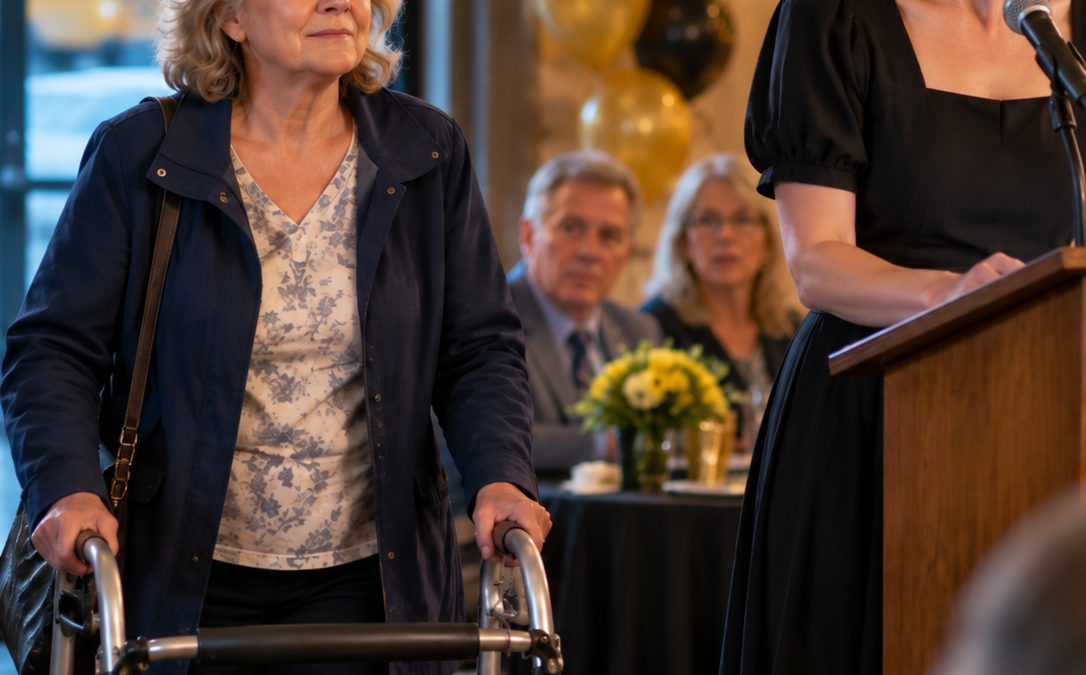
Complete story · 10 chapters · about 51 minutes · ending included
Chapter 1 · Chapter 2 · Chapter 3 · Chapter 4 · Chapter 5 · Chapter 6 · Chapter 7 · Chapter 8 · Chapter 9 · Chapter 10
Chapter 1: The Text at 4:52
At 4:52 a.m. on Monday, September 22, my daughter texted, “Can’t make it. Studio emergency. Call a cab, Mom.”
I sent back, “OK.”
The cab cost $19. I folded the receipt and put it in my bus jacket.
Hillary had promised on Sunday that she would drive me to the hospital.
She said she would stay through the surgery and bring me home afterward.
It was a long trip from Woodbury, about 320 miles round trip.
But she had offered before I asked.
I had believed her.
At the hospital, I called her once more, hoping she might reconsider.
The pre-op nurse was checking my wristband, and an orderly stood nearby.
The phone rang several times.
Hillary didn’t answer.
I lowered the phone, thinking I would try again later.
Then a message appeared.
I opened it.
“You hauled other people’s kids for 31 years. Haul yourself.”
I stared at the screen.
The nurse stopped writing.
The orderly had paused beside the bed.
I read the message aloud.
Neither of them said anything.
I locked my phone and placed it beside my purse.
I didn’t answer.
I was sixty-one, and I had driven school buses in Duluth for thirty-one years.
Cancer had put my route, my morning schedule, and my keys on hold.
Hillary owned a Pilates studio in Woodbury.
She had a business to run.
I understood that much.
I also understood she had made the promise herself.
The pre-op nurse finished checking my information and moved to the discharge section.
“Who is taking you home?” she asked.
“My daughter.”
The nurse glanced at the empty line.
“I’ll leave this blank until the person picking you up is here to sign.”
I nodded as though that were a minor detail.
The line stayed blank.
The pre-op area was busy in the quiet way hospitals get busy before sunrise.
A cart rolled past, and someone behind a curtain coughed.
A nurse checked the monitor beside my bed and asked whether I had questions.
I looked at the empty chair.
“No,” I said.
She made a note on the chart and continued working.
My phone stayed close.
I wasn’t waiting for Hillary to walk through the doors anymore.
I was waiting for someone to come get me for surgery.
When they did, I put my bus jacket over the chair.
The cab receipt was still in its pocket.
I remember thinking I should move it somewhere safe.
Then the doors opened, and there was no room left for anything else.
The surgery took place that morning.
I woke later with a dry mouth, a sore middle, and a nurse asking about my pain.
I gave her a number.
She adjusted something on the line and told me to rest.
Hillary did not come that day.
I told myself she might come the next morning.
Woodbury was a long drive, and a studio emergency might take time.
I had no idea what the emergency was.
I didn’t ask.
By Tuesday, I had stopped checking the hallway whenever footsteps approached.
By Wednesday, I knew which nurse brought warm blankets without being asked.
The hospital days passed in small pieces.
There was medicine, meals, assisted walks, and another check of my numbers.
My phone stayed beside me.
Hillary sent nothing I could answer.
My years behind the wheel had taught me to watch for trouble before it reached the bus.
I noticed an empty seat, a missed stop, or a child standing alone.
I knew how quickly a small problem could become somebody else’s emergency.
I was on medical leave now, and I didn’t want anyone feeling sorry for me.
I especially didn’t want the nurses looking at me with pity.
So when one asked whether my daughter had called, I said Hillary was busy.
When another asked whether someone was coming Friday, I said she was working it out.
I made her absence sound temporary.
That was the useful part of the lie.
By Friday, September 26, the hospital was ready to discharge me.
A nurse brought the papers and went over the instructions.
I listened, signed where she pointed, and waited.
The person who was supposed to take me home didn’t arrive.
I checked my phone.
Nothing from Hillary.
I called the bus depot.
I knew the dispatcher would be there, and I knew the drivers’ schedules.
I asked whether Gordy Niemi was around.
Gordy had driven buses almost as long as I had.
He was quiet and early for everything.
He came to the hospital between routes.
He found me sitting with my bag beside my chair.
He took one handle without making a fuss.
“Hillary’s stuck,” I said.
Gordy paused, taking in my bags and my face.
Then he picked up the other one.
He asked nothing.
The drive home was short compared with the trip Hillary had promised.
Gordy kept his eyes on the road.
I watched familiar Duluth streets pass the window.
The discharge papers rested flat on my lap.
At my building, he carried my bag to the door.
I thanked him.
Picking up where the Facebook post left off
“Get some rest,” he said.
Then he went back to his route.
I stood inside for a while after he left.
The apartment looked exactly as I had left it, except for the hospital folder on my kitchen table.
I put the discharge instructions beside the telephone.
Then I hung my bus jacket on its usual hook.
The receipt was still in the pocket.
I took it out and placed it beside my keys.
Nineteen dollars to get myself to surgery.
A coworker to get myself home.
I could have told Gordy the truth.
I could have told the dispatcher, too.
Instead, I had given them an explanation that made Hillary sound delayed rather than absent.
I had done the same with the nurses.
That evening, I heated something simple for supper and sat at the kitchen table.
My phone was beside my plate.
I checked it more often than I wanted to admit.
I wasn’t expecting an apology.
I wasn’t even expecting Hillary to offer to come over.
I wanted to know whether she remembered I had just undergone surgery.
At 7:16, my phone lit up.
“Busy week! Hang in there!”
I read the message and set the phone down.
There was no question about the surgery, no mention of Friday, and no offer to visit.
I put the empty plate in the sink and returned to the table.
The receipt lay beside my keys.
I folded it along the same crease and slipped it back into my jacket pocket.
While I was recovering, something else had happened without my knowledge.
On Tuesday, September 23, a fundraising page opened using my photograph and my story.
It was titled around the claim that my daughter was driving me to every chemotherapy appointment.
By Saturday, September 27, it had raised $18,600 from 212 donors.
The page described Hillary as the daughter making a 320-mile round trip every Tuesday.
It said she would never miss a treatment.
I couldn’t see the page.
I didn’t know the donors, the updates, or the promises being made in my name.
I was home, recovering from surgery, believing my daughter was simply too busy to come.
I wouldn’t discover the page until five months later.
Chapter 2: The Woman Who Signed Nothing
The first Tuesday of chemotherapy was October 14, and Hillary arrived at 11:05, fifteen minutes before she had to leave.
I had been waiting for her since the nurse called me back.
The treatment chair was wide, with a television across from it and a small table beside the armrest. My purse sat underneath.
Hillary wore her studio clothes and carried her phone. She came over, kissed my cheek, and looked at the nurse.
“Get a picture of us,” she said.
I turned toward her.
She held out her phone and photographed me in the treatment chair. Then she checked the picture and put her phone away.
“How are you feeling, Mom?”
“Tired.”
“You’ll get through it.”
For fifteen minutes, I had my daughter beside me. I was grateful for that much.
When the nurse came over, she explained the discharge procedure. Someone named and approved had to sign me out after treatment.
“Hillary, you’ll be signing for your mother today?” she asked.
Hillary glanced at her watch.
“I have a two o’clock class. I can’t stay all afternoon.”
“We’ll need an adult here when she’s ready to leave.”
“I can’t do that today.”
Hillary squeezed my shoulder.
“I have to get back to work, Mom.”
She left at 11:20.
I watched the door close.
“Gordy is coming,” I told the nurse.
Gordy Niemi had arranged to use part of his unpaid break to pick me up.
When my treatment finished, he came inside and signed the discharge papers. The nurse checked his identification and released me.
I thanked him on the way out.
I didn’t tell him Hillary had left before the treatment was over.
I thought her visit counted as love. She had driven all that way, after all.
The next Tuesday, Patti Saari took me home.
Patti worked as the district dispatcher. She had a habit of keeping lists, even for things other people considered too small to write down.
She asked whether I needed anything from the pharmacy.
“No, thank you. Hillary’s stuck.”
Patti glanced at me but didn’t question it.
Mike drove me the following week. Butch took another Tuesday, and Arnie helped after that.
The drivers had routes to finish and children to get home. Their breaks were unpaid, and they could have spent that time eating or resting.
Instead, they came to the treatment center.
I apologized every time.
They told me not to worry about it.
On November 17, snow had started falling before lunchtime.
I called Hillary because another Tuesday was coming, and I wanted to know whether she could take me.
She answered after several rings.
“Are you asking about another ride?” she said.
“I have treatment Tuesday.”
“Mom, I have a business.”
“I know. I thought maybe you could arrange the afternoon.”
Her voice sharpened.
“You hauled other people’s kids for 31 years. Haul yourself.”
I went still.
I knew those exact words.
She had sent them before, on surgery morning, September 22. That first time, they had arrived in a text while the pre-op nurse and an orderly stood beside me.
I had opened the message and read it aloud from my phone.
Now she was saying the same thing again.
I held the phone against my ear.
There wasn’t anything useful I could say.
She ended the call.
I sat at the kitchen table and watched snow collect along the bottom of the window.
The next morning, Gordy drove me again.
I told him Hillary was stuck.
He carried my bag without asking why she couldn’t come.
Mike took the following Tuesday, and Sherri covered the one after that.
On December 8, Hillary sent me another text.
“Can’t do Tuesdays, Mom. Ever. Stop asking.”
I was standing beside the kitchen counter when it arrived.
I set my phone on the counter and studied the marked Tuesdays.
Every Tuesday had a small mark beside it. Nineteen appointments altogether.
I had thought I could keep asking until she found a way.
Now I knew she wasn’t going to.
I didn’t show anyone at the depot what she had written. I continued giving them the same explanation.
Hillary’s stuck.
The December appointments came and went. Patti, Gordy, Arnie, and Butch each took another turn.
On January 12, Hillary sent me a different message.
“Good news! Back rent’s paid. All $14,200. Studio’s saved.”
I was sitting with my feet elevated when I received it.
I was glad her business was still open. I knew how much she had invested in it, and I didn’t want her to lose what she had built.
Still, I wondered why she was telling me about the rent when I was struggling to arrange rides.
I typed, “That’s good, sweetheart.”
Then I put the phone down.
By January, chemotherapy had begun affecting my feet. The numbness made walking difficult, especially when I first stood up.
The clinic helped arrange a walker.
I didn’t like using it. For thirty-one years, I had been climbing bus steps and walking children to the right doors.
Now I had to watch where I placed my feet in my own kitchen.
I practiced moving around the apartment with the walker. Getting through the bathroom doorway took concentration.
Hillary hadn’t seen any of it.
She hadn’t watched me struggle to stand or pause halfway down the hall. I didn’t send her a picture.
The rides continued.
Mike, Patti, Gordy, and the others worked around their routes. Each week, another coworker heard the same explanation.
“Hillary’s stuck.”
By February, the appointments had become routine for everyone except my daughter.
On February 17, I went for my nineteenth and final weekly treatment.
Stan was waiting when I came out.
He was one of the drivers who had helped me, though he had never made a fuss about it. He stood beside my walker while the nurse finished the discharge paperwork.
“Ready?” he asked.
“As ready as I’ll get.”
He took my bag.
Inside the treatment center, the last bell rang for the patients finishing their treatment.
I had imagined that day would feel different.
I was relieved. I was tired. My feet still felt strange beneath me.
Stan walked beside me toward the exit. I thanked him before we reached the parking area.
He nodded and opened the passenger door.
That made nineteen Tuesdays.
Gordy had driven six times, Patti four, Mike three, Butch twice, Arnie twice, Sherri once, and Stan once.
Seven coworkers had filled the space Hillary had promised to fill.
They had given up nineteen unpaid breaks to get me through treatment. I knew none of them had expected to do that when they first offered.
I was still trying to understand why my daughter couldn’t manage one afternoon.
On February 24, Patti brought something to the depot.
I had stopped by to see her when she came out of the dispatch office holding an envelope.
“This was mailed here,” she said. “It’s addressed to you.”
I took it.
The handwriting was neat, and I didn’t recognize the return address.
Inside was a folded card and a check for $25.
The card was signed by Ardis Thorsen, an eighty-year-old retired teacher.
The message read:
“Your Hillary is a saint. 320 miles every Tuesday.”
I stared at the words.
Then I looked at the check.
I had never met Ardis. I didn’t know why she was thanking Hillary for something Hillary hadn’t done.
Patti pulled a chair away from the desk.
“Sandy, who told her that?”
I kept my thumb against the edge of the card.
I knew who hadn’t driven me.
But I didn’t know how many people had been told she did.
Chapter 3: The Page With My Photo
Patti came to my apartment with the card from Ardis Thorsen still in her purse.
She set it on my kitchen table beside the $25 check.
“I want to find out where she got this story,” she said.
I poured coffee into two mugs.
“I don’t know how.”
Patti took out her phone. She was better at finding things than I was. At the depot, she could track down a driver, a missed call, or an old schedule without making a production of it.
She started with Hillary’s name.
A few minutes later, she stopped scrolling.
“Sandy, come look at this.”
I pulled out the chair beside her.
On her screen was a fundraising page.
The headline read, “Driving Mom to Every Chemo.”
Below it was a photograph of me sitting in my treatment chair. I recognized the blanket over my legs and the little table beside the armrest.
I hadn’t known anyone had taken that picture for a fundraiser.
Patti scrolled to the top.
The page showed $18,600 raised from 212 donors.
I stared at the number.
“Eighteen thousand six hundred dollars?”
“That’s what it says.”
The description mentioned that I had spent 31 years driving Duluth school buses. It described my cancer surgery, my chemotherapy, and the long weekly trips from Woodbury.
According to the page, Hillary was making a 320-mile round trip every Tuesday.
I leaned closer to the screen.
Patti scrolled down to the updates.
The first one said, “I will never miss one.”
Another read, “I closed my Tuesday classes to sit beside her chair.”
I put my hand on the table.
Hillary hadn’t closed her Tuesday classes.
She hadn’t even stayed through my first treatment.
Patti didn’t say anything. She kept scrolling.
There were comments from people wishing me well and thanking Hillary for being such a devoted daughter.
One person had written that I was lucky to have her.
Another had thanked Hillary for sacrificing her business to care for her mother.
I didn’t know any of those people.
They knew my name, my photograph, and my illness. They believed my daughter was doing something she wasn’t doing.
“Who started this?” I asked.
Patti pointed to the account name.
“Hillary.”
I went to the kitchen counter and picked up my phone.
My January 12 message was still there.
“Good news! Back rent’s paid. All $14,200. Studio’s saved.”
I brought the phone back to the table and placed it beside Patti’s screen.
The fundraiser page had another statement farther down.
“Every dollar goes to gas, motels and my lost wages.”
I looked from one screen to the other.
Fourteen thousand two hundred dollars had gone toward back rent, according to Hillary herself.
The money had not gone toward driving me to treatment.
Patti read the two messages without speaking.
Then she tapped the studio’s website.
“Let’s see what she was doing on Tuesdays.”
A schedule appeared.
The page listed the weekly classes, instructors, and times.
Patti moved her finger down the Tuesday column.
She stopped at one entry.
“Tuesday 10 a.m. Reformer with Hillary.”
I sat back.
The class was right there, with her name beside it.
She had told donors she closed her Tuesday classes to sit beside my chair.
She had told me she couldn’t do Tuesdays.
I looked again at my photograph on the fundraiser page.
It was a picture from the first treatment. The day Hillary had arrived at 11:05, taken a photograph, and left at 11:20.
Gordy had signed me out.
I remembered how pleased I had been that she came at all.
“Do you want me to save these?” Patti asked.
“Yes.”
She took screenshots of the page and the studio schedule.
I asked her to save the January 12 message, too.
Then I went into the bedroom and closed the door.
I called Hillary.
She answered on the fourth ring.
“Hi, Mom!”
Her voice sounded cheerful.
“What’s this fundraiser?”
There was a pause.
“What fundraiser?”
“The one with my picture. Driving Mom to Every Chemo.”
“Oh.”
I waited.
“It’s for your care,” she said. “I was going to surprise you.”
“Eighteen thousand six hundred dollars?”
“People wanted to help. I thought it was wonderful.”
“You told them you drive me every Tuesday.”
“I’ve been doing what I can.”
“You weren’t there when I had surgery. You left my first treatment before it was finished.”
“Mom, I have a business. You know that.”
“I know. I also know who signed me out.”
She didn’t answer.
I could hear a faint sound in the background, something like music playing in another room.
“What happened to the money?” I asked.
“It’s for your care. I was going to surprise you.”
“You said every dollar went to gas, motels, and lost wages.”
“That’s how these things work. There are expenses.”
I thought about the January 12 message.
“Then why did you tell me the back rent was paid?”
Her voice changed.
“Mom, you’re getting mixed up.”
“I’m looking at your message.”
“Chemo scrambled your memory, Mom.”
I gripped the phone more tightly.
I knew what I had seen. I knew who had driven me. I knew who had signed the papers.
But hearing my daughter tell me I couldn’t trust my own memory made me hesitate.
“What about the people who gave you money?” I asked.
“They wanted to help.”
“They thought you were driving me.”
“I was taking care of things for you.”
“You weren’t taking me to treatment.”
“I’m not going to argue about this while you’re sick.”
I closed my eyes.
I wanted to ask why she had used my photograph without telling me. I wanted to ask whether she had considered what those 212 people would think if they knew the truth.
Instead, I asked the one question I needed answered.
“Will you return it?”
“I need time.”
“How much time?”
“I’ll get it sorted out.”
“Hillary, I want the money returned.”
She was quiet for several seconds.
“I can have it back by April 1.”
I looked at the calendar on my bedroom wall.
April 1 was a Wednesday.
“You promise?”
“Yes, Mom. April first. Just give me some time.”
I didn’t tell her what Patti had found. I didn’t mention the screenshots or the Tuesday schedule.
I also didn’t tell her that I was considering reporting the page.
She was my only child.
I wanted to believe there was still a way to settle this without putting her name into a public complaint.
“All right,” I said.
“I knew you’d understand.”
She ended the call.
I returned to the kitchen.
Patti was still at the table, with her phone beside the coffee mugs.
“What did she say?”
“She promised to return the money by April first.”
Patti looked at me.
“Do you believe her?”
I picked up my phone and opened the January 12 message.
Then I looked at the fundraiser page again.
“I don’t know.”
Patti didn’t argue. She wrote the deadline on the back of an envelope and placed it beside Ardis’s card.
I took out my calendar.
April 1.
I marked the date in the square for Wednesday.
Hillary had until then.
I wasn’t ready to report my daughter, but I needed to know whether her promise meant anything.
Chapter 4: The Nineteen Lines
By February 25, I had started wondering whether chemotherapy had made my Tuesdays run together.
I remembered Gordy driving me. I remembered Patti bringing her coffee into the waiting room. I remembered Stan standing beside my walker after the last treatment.
But Hillary had been there on October 14.
Hadn’t she?
I was sitting at the kitchen table with Patti’s envelope beside me. April 1 was marked on the calendar. Hillary had promised to return the $18,600 by then.
I wanted to believe her.
Still, the fundraiser page kept bothering me. Hillary said I was confused, and I had no way to prove what happened during every appointment.
I called the treatment center and asked to speak with the nurse who had helped me.
“I’m trying to remember who signed me out after my treatments,” I explained. “Can you tell me?”
The nurse asked for my information.
“It’s your chart. Records office.”
She explained that I could request my own medical records through the hospital’s records office.
I thanked her.
That afternoon, I went downstairs to the records office and asked for the discharge entries covering all nineteen chemotherapy visits.
The clerk gave me a form.
I filled in my name, signed the written request, and asked for a certified copy.
She explained that it could take some time.
“That’s fine,” I said.
I had waited through nineteen treatments. I could wait a little longer for the paperwork.
On March 9, the envelope arrived.
I carried it straight to the kitchen table.
The certified printout was several pages long. Each treatment date had an entry showing who had accompanied me and signed me out.
I started with the first Tuesday.
October 14.
The entry listed the time Hillary had arrived and the time she had left.
Then I saw the words beside the escort information.
“Daughter present 11:05–11:20. Asked to serve as escort; declined.”
I stopped.
I remembered the photograph. The kiss on my cheek. Her hand squeezing my shoulder.
I had spent months telling myself that visit meant she had tried.
The chart said she had been asked to sign for me.
She had declined.
The nurse had needed someone else.
Gordy had signed.
I moved to the next entry.
Then the next.
Nineteen lines.
Seven different names.
Not one entry listed Hillary as the person who signed me out.
Gordy appeared six times. Patti appeared four times. Mike appeared three times. Butch and Arnie appeared twice each. Sherri and Stan appeared once each.
I counted the names against the calendar.
They matched.
I returned to the October 14 entry.
At the bottom of the fundraiser update was a timestamp.
11:31 a.m.
Hillary had left the treatment center at 11:20.
Eleven minutes later, she had posted, “I will never miss one.”
I laid the certified pages beside my phone.
The photograph on the fundraiser page showed me sitting in that chair. The chart showed who had actually stayed to take me home.
I didn’t cry.
I folded the pages carefully and placed them inside Patti’s envelope.
For several days, I kept the envelope in my walker basket. I took it with me when I went to the kitchen and brought it back to the bedroom at night.
I wanted Hillary to return the money.
I wanted the page taken down.
Mostly, I wanted to stop feeling as though I had to defend my own memory.
April 1 arrived on a Wednesday.
I checked my phone in the morning.
Nothing.
At lunchtime, I sent Hillary a message.
“Today is the deadline. Are you returning the money?”
Her answer came that afternoon.
“Need till summer, Mom!”
I lowered the phone onto the table and stared at her reply.
Summer.
She had asked for more time after I had already given her months.
I called her, but she didn’t answer.
I left the phone on the table and looked at the certified chart in my walker basket.
April 1 had come and gone.
The promise hadn’t been kept.
The next morning, April 2, I opened the fundraising page.
It was still there.
The photograph was still there. The total was still $18,600. The updates still described Hillary’s weekly drives and the classes she supposedly closed.
I found the section for reporting a problem.
The site asked whether I was the person named as the beneficiary.
I was.
I followed the instructions and submitted a report explaining that the money had been raised using false claims about my transportation and care.
I attached the relevant information and identified myself as the person whose treatment had been used in the appeal.
I didn’t write anything about Hillary’s character.
I reported what had happened.
The site acknowledged my submission and said someone would review it.
For the next several days, I checked my email.
On April 20, a reply arrived.
I opened it at the kitchen table.
The organizer had reviewed my claim but could not proceed with the beneficiary complaint alone.
The response referred to the information provided by the fundraiser organizer.
Hillary had told them that her mother was experiencing chemo-related confusion and did not remember who had driven her.
The site explained that a claim involving misuse of the funds required a police report.
I read that part carefully.
They needed a police report.
I had the certified chart. I had Hillary’s January 12 message about the $14,200 in back rent. I had the fundraiser statements and the studio schedule showing her Tuesday class.
I had enough information to explain what happened.
But the person responsible was my daughter.
I put the email beside the chart.
I thought about calling the police.
Then I imagined giving an officer Hillary’s name, explaining the fundraiser, and answering questions about my own child.
I couldn’t make myself do it.
I had spent too many years protecting her from consequences she should have faced herself.
Even now, I was looking for a way to keep her out of trouble.
I called Hillary instead.
She answered quickly.
“What?”
“The fundraising site wrote to me.”
A pause.
“What did you tell them?”
“They said they need a police report before they’ll act on my claim.”
“You reported me?”
“I reported the fundraiser. I’m the named beneficiary.”
“You had no right to do that without talking to me.”
“I gave you until April first.”
“I told you I needed more time.”
“You promised to return the money.”
“Mom, you don’t understand how difficult things have been.”
I looked at the January message on my phone.
“All $14,200. Studio’s saved.”
“That was business money. You don’t understand the expenses.”
“I understand what you told people.”
She went quiet.
I could hear her breathing through the phone.
Then her voice became harder.
“Are you really going to do this to me?”
“I want the money returned, Hillary.”
“You’re making me sound like some kind of criminal.”
“I haven’t called the police.”
“Then don’t.”
I held the phone against my ear.
She knew I hadn’t filed the report. She knew the site was waiting for it.
Her next words came slowly.
“You report me, you’ll have nobody left. Who’d drive you then?”
I looked down at the walker beside my chair.
The certified chart was still on the table.
Seven names.
Nineteen signatures.
And not one of them was hers.
Chapter 5: The Dispatcher Who Keeps Lists
For several days after Hillary threatened me, I kept the certified chart in my walker basket.
I hadn’t filed a police report. I hadn’t told the drivers what she had done. I was still hoping she would return the money.
Then, on April 27, Patti called.
“I need you to see something,” she said.
She forwarded me an email from Hillary.
The drivers’ appreciation banquet was scheduled for May 15 at six in the evening. Invitations had been mailed to emergency contacts, and Hillary had received one.
She had answered the banquet committee.
Hillary was willing to accept a tribute for caring for her mother. She explained that I couldn’t attend because I was too sick to leave my bed.
She had also requested QR cards at the tables for a $10,000 wheelchair van fundraiser.
I read the email at my kitchen table.
“She wants to stand up there and accept an award?” I asked.
Patti was quiet for a moment.
“She says she’ll accept the tribute.”
“And the van?”
“Ten thousand dollars. She wants the QR cards placed on all the tables.”
I looked at the walker beside my chair.
I could get around my apartment. Slowly, and not without trouble, but I wasn’t in bed.
Hillary had decided I couldn’t leave it.
Patti sat across from me.
“What are you going to do?”
“I don’t know.”
She glanced at the certified chart in my walker basket.
“You have the records now, Sandy.”
I knew that.
What I didn’t have was the courage to say aloud what I had been hiding.
That afternoon, I began making phone calls.
Gordy answered first.
“I need to tell you something,” I said.
“Go ahead.”
“I lied. She was never stuck.”
He didn’t speak immediately.
I explained the fundraiser, the $18,600, and the story Hillary had told about driving me every Tuesday.
I told him about the October 14 chart entry and the other eighteen signatures.
“I should have told you,” I said.
Gordy answered in his usual few words.
“Doesn’t matter now. What do you need?”
“I need your permission to use your name. The records show you signed me out six times.”
“Use it.”
Patti was next.
She already knew about the fundraiser, but she hadn’t heard me say the words.
“I lied. She was never stuck.”
Patti’s voice became firm.
“You don’t have to apologize for needing a ride.”
“I let you believe she was coming.”
“You were trying to protect your daughter.”
“I need you named in the report.”
“Put my name down.”
Mike agreed, too. He remembered arranging his breaks around my appointments.
Butch listened while I explained the money and the false updates.
“Use my name,” he said. “I signed those papers.”
Arnie asked whether I still had the hospital records.
“I have the certified copy.”
“Then use my name.”
Sherri was surprised by the amount.
“Eighteen thousand six hundred?” she asked.
“Yes.”
She went quiet.
“I’ll stand behind what I did, Sandy. You can name me.”
Stan was the last driver I called.
He remembered taking me home after the final treatment on February 17.
“I lied,” I told him. “She was never stuck.”
“I figured something wasn’t right,” he said. “You can use my name.”
Seven phone calls.
Seven people willing to say they had driven me.
I wrote their names on a sheet of paper and checked them against the chart.
Then I called Ardis Thorsen.
I wanted to thank her for the $25 check she had mailed with her card. I also wanted to ask why she believed Hillary had driven me every Tuesday.
Ardis answered politely.
“I received the fundraiser link from someone at church,” she explained. “Your daughter sounded like a devoted caregiver.”
“I understand.”
“I gave five hundred dollars to help.”
I held the phone more tightly.
“Ardis, Hillary never drove me to chemotherapy. My coworkers did.”
There was a pause.
“Are you certain?”
“I have the hospital records.”
“Oh, my goodness.”
I told her about the banquet and explained that I intended to attend.
“Then I’ll come,” she said. “I want to hear the truth from you.”
I thanked her.
By the end of the day, I had seven drivers who agreed to be named and one donor who planned to attend.
But going to the banquet was another matter.
The event would be held in the bus depot bay. There would be 140 people, tables, chairs, and a microphone.
I could barely manage the steps outside my apartment without concentrating.
Patti didn’t pretend otherwise.
“If the director gets warned about the tribute beforehand, he may cancel it,” she said. “The van page could be moved to another event.”
“And if I show up?”
“You could fall, Sandy. Or Hillary could tell everyone you’re confused.”
I looked at the walker.
That was a possibility.
Hillary had already told the fundraising site that chemotherapy had affected my memory. If I stumbled in front of 140 people, she could use it to make the same argument.
I spent the next few days practicing with my walker.
I walked from the bedroom to the kitchen, then back again. I rested when my feet became numb.
On May 14, the day before the banquet, I sent Hillary a text.
“Cancel the van page and I stay home.”
Her answer came quickly.
“You can’t even stand up, Mom. Stay home.”
I put the phone beside the certified chart.
She had refused.
I had given her another chance to stop using my name to raise money. She had chosen the van page instead.
That afternoon, I went to the Duluth police station.
I brought the certified chart, the January 12 text, the fundraiser information, and the screenshots Patti had saved.
The officer at the desk asked me to explain why I was there.
I told him about the $18,600, the 212 donors, and the false claims about my daughter’s weekly drives.
He listened and looked through the documents.
“Your daughter organized the fundraiser?” he asked.
“Yes.”
“And these are the people who actually drove you?”
“Yes. All seven agreed to be identified.”
He pointed to the chart.
“These records help establish who signed you out.”
I nodded.
He explained that the donors were the victims of the fundraising deception. My report would be referred for investigation, and a detective would contact me.
I signed the statement.
My hand shook slightly when I finished writing my name.
I had just filed a police report against my only child.
Outside, I stood beside the entrance for a few minutes before calling Patti.
“I did it,” I said.
She didn’t ask what I meant.
“Good,” she answered.
I went home and placed the police paperwork beside the hospital chart.
The banquet was the next evening.
I still didn’t know whether I could cross the depot floor without falling. I didn’t know what Hillary would say when she saw me.
That evening, my phone rang.
It was Gordy.
“I heard you’re going tomorrow,” he said.
“I am.”
“What time?”
“Six. It starts at six.”
He was quiet for a moment.
“You’ll need a ride.”
“I was going to call a cab.”
“No.”
I waited.
“Bus 12 will be at your door at 5:40,” he said.
I looked toward the walker standing beside the kitchen table.
“Thank you, Gordy.”
“Be ready.”
When we hung up, I wrote 5:40 on the calendar beside May 15.
Tomorrow, I would go to the depot.
Chapter 6: The Walker on the Depot Floor
At six o’clock on Friday, May 15, the bus depot bay was full of people.
The buses had been pulled back to make room for the banquet tables. One hundred forty people sat beneath the overhead lights, most of them drivers, dispatchers, mechanics, and their families.
QR cards stood on every table.
The cards advertised a $10,000 wheelchair van fundraiser for me.
I knew because Patti had shown me the page. Hillary had made sure nobody could miss it.
Gordy had brought Bus 12 to my door at 5:40. He helped me settle into the passenger seat, then secured my walker.
He didn’t ask whether I was nervous.
I was.
My feet were numb, and the walker felt heavier than it had in my apartment. I had brought the certified hospital printout in its basket, inside a large envelope.
When we arrived, Gordy helped me out.
“Take your time,” he said.
I nodded.
Through the open entrance, I could hear someone speaking into a microphone.
It was Hillary.
She stood at the front of the room wearing a dark blue dress. Her hair was neatly arranged, and she had a broad smile for the people seated nearest the podium.
In her hands was a caregiver plaque.
I stopped just outside the main entrance.
“Three hundred twenty miles,” Hillary announced. “Every Tuesday.”
People applauded.
She raised the plaque slightly.
“Every Tuesday, I made that trip to sit beside my mother’s chair. I closed my classes and put my own business second because family comes first.”
More applause followed.
I looked at the QR cards on the tables.
Some people had their phones out. Others were looking toward Hillary with the same admiration I had seen in Ardis’s card.
Hillary continued.
“My mother has been through so much. I only wanted to make sure she never faced it alone.”
I gripped the walker handles.
Gordy stood behind me.
“You ready?” he asked.
I nodded.
The side door began rolling upward.
The sound of the motor carried through the bay. A few people turned toward it.
Then more heads followed.
I pushed the walker forward.
My right foot dragged slightly, so I stopped and adjusted it before taking another step.
The hospital printout shifted inside the basket.
I kept one hand firmly on the walker and moved forward.
Hillary was still speaking when she saw me.
Her mouth remained open, but the next words didn’t come.
She stopped in the middle of her sentence.
The plaque was still in her hands.
For a second, nobody seemed to know what to do.
Then someone near the front recognized me.
The applause began in scattered bursts.
It spread across the room.
People stood. A few called my name. Others clapped as I made my way between the tables.
I wasn’t sure whether they were applauding because they were happy to see me or because they thought I had arrived to thank my daughter.
I kept moving.
Patti was waiting near the front.
She came toward me and took my arm while I adjusted the walker.
“You made it,” she said.
“I did.”
She glanced at the basket.
“You brought it?”
I nodded.
Patti handed me a second microphone.
Hillary was still standing beside the podium.
Her smile had disappeared.
I looked across the room at the people I had worked with for thirty-one years. Some were drivers whose faces I knew from early mornings. Others had spent years dispatching routes and handling the problems that came with them.
I had driven children to school in snow, rain, and darkness.
Now I was standing in front of those same coworkers, trying to explain why my daughter had used my illness to collect money.
My hands were trembling.
I adjusted the microphone.
“I came to thank whoever drove me.”
The room quieted.
I looked down at the walker basket.
“I want to thank the people who actually took me to chemotherapy. I also need to explain something about this fundraiser.”
Hillary shifted beside the podium.
I reached into the basket and took out my phone.
“The first message came at 4:52 in the morning on September 22. That was the morning of my surgery.”
I held the microphone closer.
I read the message aloud.
“Can’t make it. Studio emergency. Call a cab, Mom.”
Nobody moved.
“I paid $19 for a cab. I went into surgery alone.”
I placed the phone on the small table beside me.
“On November 17, I called my daughter because I needed help arranging another ride.”
I looked toward Hillary.
“She told me, ‘You hauled other people’s kids for 31 years. Haul yourself.’”
Someone at the back shifted in their chair.
I continued.
“On December 8, she sent me another message.”
I read the words exactly.
“Can’t do Tuesdays, Mom. Ever. Stop asking.”
The room had become very quiet.
I looked at the caregiver plaque in Hillary’s hands.
“She told me she was driving 320 miles every Tuesday. She told people she closed her classes to sit beside my chair.”
I paused.
“She wasn’t there.”
The applause that had greeted my entrance was gone.
I could hear the ventilation fans overhead.
Hillary stepped toward the microphone.
“Mom’s confused. It’s the chemo. She doesn’t remember who drove her.”
A few people turned toward me.
Others looked at Hillary.
She put the plaque against her chest.
“She’s been having memory problems. I have tried to help her, but she gets things mixed up.”
I felt my face grow hot.
I wanted to answer immediately.
I wanted to tell them about the hospital records, the seven drivers, and the names written on every discharge entry.
But I knew what she was doing.
She had told the fundraising site the same thing. Now she was saying it in front of 140 people.
A woman near the second table leaned toward the person beside her.
I couldn’t hear what she said.
The banquet director stepped away from the side of the podium.
He looked uncomfortable.
“Perhaps we should give Sandy a chance to sit down,” he said.
“I don’t need to sit down yet,” I answered.
He glanced at my walker.
“Let’s take a moment.”
Hillary lowered her voice, but I could still hear her.
“Mom, please. You’re upsetting yourself.”
I looked at the people around me.
I had worked with many of them for years. They knew I was on medical leave. They knew about the surgery and the chemotherapy.
They also knew I was sixty-one, sick, and using a walker.
I couldn’t tell whether they believed Hillary or me.
The director moved closer.
His hand reached toward the microphone.
“Let me take that for a moment,” he said.
I tightened my fingers around it.
My walker stood in front of me. The certified printout was still in its basket.
I could feel the edge of the envelope beneath my hand.
The director moved another step.
I lifted the printout out of the basket and held it up.
“Wait,” I said.
My voice came through the microphone.
“This is my hospital chart.”
Hillary’s expression changed.
I held the pages higher.
“And it has the names of the people who actually took me home.”
Chapter 7: The Drivers Who Stood Up
The director’s hand was still reaching for my microphone when I lifted the hospital printout.
“Please,” I said. “Let me finish.”
He stopped.
I held the pages where the people at the nearest tables could see them.
“This is my certified hospital chart. These are the discharge records from my nineteen chemotherapy appointments.”
Hillary stood beside the podium, still holding the caregiver plaque.
I looked down at the first page.
“The fundraiser was called ‘Driving Mom to Every Chemo.’ That’s the title on the page that raised $18,600 from 212 donors.”
A few people turned toward the QR cards on their tables.
I continued.
“I’m going to read the dates and the names of the people who actually signed me out.”
I started with October 14.
“October 14, Gordy Niemi.”
Gordy stood.
“October 21, Patti Saari.”
Patti stood beside the dispatch committee table.
“October 28, Mike.”
Mike pushed his chair back and got to his feet.
“November 4, Butch.”
Butch stood near the rear tables.
“November 11, Arnie.”
Arnie raised one hand.
“November 18, Gordy Niemi.”
Gordy remained standing.
“November 25, Mike.”
Mike nodded.
“December 2, Sherri.”
Sherri stood beside her husband.
“December 9, Patti Saari.”
Patti was already standing.
“December 16, Gordy Niemi.”
“December 23, Arnie.”
“December 30, Butch.”
“January 6, Mike.”
“January 13, Patti Saari.”
“January 20, Gordy Niemi.”
“January 27, Gordy Niemi.”
“February 3, Patti Saari.”
“February 10, Gordy Niemi.”
“February 17, Stan.”
Stan stood near the last row of tables.
I lowered the pages slightly.
“Those are the nineteen rides. Seven people. Not one of those signatures belongs to my daughter.”
Nobody applauded.
I wasn’t expecting them to.
I turned back to the first page.
“There is something else about October 14.”
My finger rested beside the entry.
“Daughter present, 11:05 to 11:20. Asked to serve as escort; declined.”
Hillary shifted her weight.
I continued.
“My daughter came to my first chemotherapy appointment. She took a photograph with me, then left because she had a two o’clock class.”
I looked toward Patti.
She stepped closer and held out her hand for the printout.
“May I?”
I nodded.
Patti took the page and faced the room.
“The fundraiser update was posted at 11:31 that same morning,” she said.
She read the words aloud.
“‘I will never miss one.’”
Patti lowered the page.
“Here’s the Tuesday schedule from Hillary’s studio.”
She held up the screenshot.
“Tuesday, 10 a.m. Reformer with Hillary.”
A man near the back shook his head.
Hillary stepped toward us.
“That’s not the whole story.”
Patti returned the papers to me.
I wasn’t finished.
I took out my phone and found the January 12 message.
“This is what my daughter sent me on January 12.”
I read it into the microphone.
“Good news! Back rent’s paid. All $14,200. Studio’s saved.”
The room had gone quiet again.
I looked directly at Hillary.
“You told the donors every dollar went to gas, motels, and your lost wages.”
Hillary raised her microphone.
“That money was for her care. I was holding it for her.”
I looked at her.
“I never saw a cent.”
A few people began whispering.
Hillary’s husband, Jeremiah, had been sitting at a table near the front. He was an insurance adjuster, forty-one years old, and usually a quiet man.
He pushed his chair back.
Then he stood.
“I asked for gas receipts,” he said.
Hillary turned toward him.
Jeremiah kept his eyes on the room.
“There aren’t any. I signed the rent check.”
Nobody moved.
He continued.
“I signed the check for the studio’s back rent. I knew where that money went.”
Hillary stared at him.
“Jeremiah, sit down.”
He didn’t.
“I asked you for receipts,” he said. “You never gave me any.”
His voice wasn’t loud, but the microphone wasn’t necessary. The people closest to him could hear every word.
Hillary lowered her plaque.
I looked toward the second row.
Ardis Thorsen was standing now, holding the edge of her chair.
She was eighty, with neatly arranged silver hair and a small handbag resting on the table.
“I gave five hundred dollars,” she said.
Her voice trembled.
“How do I get it back?”
I looked at her.
She had been the person who mailed me the card calling Hillary a saint. She had believed she was helping a daughter who drove 320 miles every Tuesday.
“I’m sorry, Ardis.”
She shook her head.
“You didn’t ask me for the money.”
I turned toward Hillary.
My hands were beginning to ache from holding the microphone and the papers.
I had spent months covering for her. I had told seven coworkers she was stuck. I had accepted rides without telling anyone the truth.
I had given her until April 1.
She had promised to return the money.
Then she had asked for more time.
Now she stood in front of 140 people with a plaque bearing the name of a woman she had not driven to treatment.
I brought the microphone closer.
“You billed strangers for rides my friends gave me free.”
The words came out steadily.
I didn’t ask anyone to forgive me for waiting so long.
I didn’t ask anyone to take my side.
I had read the records. The drivers had stood up. Jeremiah had confirmed the rent check.
Ardis had asked for her money.
I looked around the room.
What would 212 donors do when they learned what had happened?
The director walked toward Hillary.
She held the plaque against her chest.
“Wait,” she said.
He didn’t answer.
He reached for the plaque and lifted it from her hands.
Hillary’s fingers remained curled for a moment after it was gone.
The director carried it away from the podium.
At the tables, Gordy turned toward the other drivers.
Patti brought over an empty metal lunch pail from the committee supply area.
One by one, the drivers began collecting the QR cards.
Mike took the cards from the tables near the entrance. Butch and Arnie worked along the opposite row. Sherri gathered the cards beside the windows.
Gordy moved through the center aisle.
Nobody scanned one.
Patti opened the lunch pail, and the cards dropped inside.
I stood behind my walker, holding the nineteen-line chart.
Hillary watched the plaque disappear from the front table.
The lunch pail filled with the little cards she had expected people to take home.
Chapter 8: The Page That Went Dark
By Saturday morning, the banquet was over, but the fundraiser was still online.
The QR cards were gone from the depot tables. The caregiver plaque had been taken away from Hillary. The seven drivers had stood in front of 140 people and confirmed what my hospital chart showed.
But most of the 212 donors hadn’t heard any of it.
My police report was still open.
Ardis Thorsen called me Saturday morning.
“I’ve been thinking about those people who gave,” she said. “They deserve to know.”
“I agree.”
“I’m going to call everyone I can reach.”
I thanked her.
Ardis was eighty years old. She had retired from teaching, and I imagined her sitting at her kitchen table with a telephone and a list of names.
She spent Saturday and Sunday contacting donors, explaining what had happened at the depot and asking them to file claims through the fundraising site.
Some had given ten dollars. Others had given much more.
They had believed Hillary was paying for gas, motels, and the time she supposedly spent driving me to chemotherapy.
They had believed their money was helping a sick woman get treatment.
Now they knew the rides had been provided by my coworkers.
By Sunday evening, donors were beginning to submit claims.
On Monday morning, May 18, a detective contacted me about my police report.
He asked me to come in and give a formal statement.
Patti drove me to the station and waited while I gave my statement.
I brought the certified hospital chart, the fundraiser screenshots, and the messages from Hillary.
The detective went through the records carefully.
He asked about the surgery morning text, the nineteen treatments, and the people who had signed me out.
I explained how the fundraiser had described Hillary’s weekly trips and how she had told me the money was for my care.
He asked about the $14,200 in back rent.
I showed him the January 12 message.
“Good news! Back rent’s paid. All $14,200. Studio’s saved.”
He made a note.
“Your coworkers are willing to confirm these rides?”
“Yes. All seven.”
“And the hospital has certified the discharge records?”
“Yes.”
He thanked me for bringing everything.
After taking my statement, he told me he would be contacting Hillary.
Patti was waiting outside when I finished.
She helped me to the car and folded my walker into the back. I settled into the passenger seat with the empty envelope on my lap.
I knew the call would reach Hillary.
I didn’t know what she would do afterward.
It didn’t take long to find out.
A few days later, I heard a car pull into the shared driveway.
I was in the kitchen when someone knocked.
I made my way to the front door of my ground-floor apartment with my walker.
Hillary stood on the porch.
She looked tired. Her hair wasn’t arranged the way it had been at the banquet, and she was holding her phone in one hand.
I opened the door but stayed inside.
“What are you doing here?” I asked.
“We need to talk.”
I didn’t move aside.
She looked past me into the apartment.
“Can I come in?”
“No.”
Her expression tightened.
“Mom, the detective called me.”
I waited.
“He’s asking questions about the fundraiser. The site is reviewing everything. People are making claims.”
“They were told things that weren’t true.”
“You don’t understand what this is doing to me.”
“I understand what it did to the people who gave you money.”
She stepped closer to the doorway.
“Pull the report.”
I kept one hand on the walker.
“The donors are the victims. It’s not mine to pull.”
“Mom, please.”
She rubbed her forehead.
“You’ve made your point. Everyone at that banquet saw you. What else do you want?”
“I want the money returned.”
“I told you I needed time.”
“You had until April first.”
“I can’t fix everything overnight.”
“You had months.”
She looked down at the walker.
“You’re turning this into something much bigger than it needs to be.”
I kept my eyes on her and said nothing.
Hillary glanced toward the street, then back at me.
“If you withdraw the report, maybe the site will stop all this.”
I shook my head.
“The donors filed their own claims.”
“You’re my mother.”
“Yes.”
“Then act like it.”
My hand tightened around the walker handle.
I had spent months making excuses for her. I had told seven coworkers she was stuck when I knew she had refused to help me.
I had accepted rides while protecting her reputation.
I wasn’t going to make another excuse.
“I need you to leave, Hillary.”
She stared at me.
For a moment, I thought she might argue again.
Instead, she descended the porch steps and headed for her car. I eased the door shut behind her.
A little later, my phone sounded.
An email from the fundraising site had arrived.
The page was being closed while the claims were reviewed.
I opened the notice and read the instructions. The site had suspended the fundraiser and was reviewing the donor complaints.
I placed my phone beside the hospital chart.
The page that had displayed my photograph and Hillary’s promises was no longer accepting contributions.
May 29 arrived on a Friday.
I was at home when another email came through.
This one confirmed that every donor had been refunded.
The full $18,600 was being returned to the 212 people who had contributed.
I pulled out a chair and read the message on my phone.
The site also stated that it would seek repayment from Hillary, the organizer responsible for the fundraiser.
I thought about Ardis and the five hundred dollars she had given.
I thought about the people who had donated smaller amounts because they believed a daughter was driving her mother to treatment.
Their money was going back.
I called Patti.
“They refunded everybody,” I told her.
“All of them?”
“All 212 donors. Eighteen thousand six hundred dollars.”
Patti was quiet for a moment.
“Good,” she said.
I thanked her for everything she had done.
She told me not to start apologizing again.
I smiled.
When the call ended, I left my phone on the counter beside the calendar.
The fundraiser was gone. The repayment was now Hillary’s responsibility.
I wondered what would happen to her studio.
She had told me the back rent was paid, but that didn’t mean the business was safe. There were still bills, and the people who had believed her story were no longer sending money.
A few days later, an envelope arrived in the mail.
The return address was Jeremiah’s.
Inside was a photocopy of a check.
It was the check he had mentioned at the banquet, the one he had signed for the studio’s back rent.
The copy showed the amount and the payment information. His signature was at the bottom.
There was a small handwritten note folded around it.
“I should have asked sooner.”
I held the check by its edges.
Jeremiah had stood in front of 140 people and admitted what he knew. Now he had sent me the document to support what he had said.
I placed the copy beside the certified hospital chart.
The check showed the studio’s name, the rent payment, and Jeremiah’s signature.
I slid both documents into my walker basket, leaving the check facing up.
Chapter 9: The Lock on the Studio
The landlord changed the locks on Hillary’s studio in June.
I heard about it from Patti, who had received a message from someone on the banquet committee. The studio had been closed, and Jeremiah had moved out.
I didn’t call Hillary.
The fundraiser money had been refunded. The site was seeking repayment from her, and the police investigation was moving forward.
I kept the photocopy of Jeremiah’s rent check with my hospital records.
Summer passed without a visit from my daughter.
I spent most of it learning to get around with my walker. My feet were improving, but the numbness hadn’t disappeared. I still needed something steady when I stepped off a curb or crossed an uneven parking lot.
The seven drivers hadn’t forgotten me.
Gordy called occasionally. Patti checked on me. The others sent messages or stopped by when their schedules allowed.
Then, one afternoon, they arrived with lumber.
“What are you building?” I asked.
Gordy set down his toolbox.
“A ramp.”
I looked at the porch steps.
There were several, and I had been taking them slowly with my walker. Getting up and down required someone nearby.
“You don’t have to do that.”
Patti came around the side of the building carrying a measuring tape.
“We know.”
The seven drivers worked together over the next several visits. Gordy measured and cut. Mike and Butch helped with the boards. Arnie checked the supports. Sherri and Stan helped secure the railings. Patti kept track of what still needed doing.
I watched from the doorway.
They had already given up nineteen unpaid breaks to get me through chemotherapy.
Now they were spending their own time making sure I could leave my apartment safely.
When the ramp was finished, Gordy walked its length and checked the railing.
“Try it,” he said.
I took my walker and eased down the ramp.
The boards held steady beneath me.
At the bottom, I turned around.
“Thank you.”
Patti waved a hand.
“Save it. We haven’t even had coffee.”
I laughed.
It was the first time in months that leaving my apartment hadn’t required a complicated plan.
By September, the court date was approaching.
Hillary was scheduled to appear on September 17, 2026.
I had received notice of the proceeding and knew the charge involved theft by swindle over $5,000.
I didn’t know whether Hillary would contact me.
She did the night before court.
My phone lit up while I was sitting in the living room.
The message was short.
“Car’s gone. Can you come get me?”
I read it without answering.
I knew what she was asking.
She wanted me to drive her.
The same daughter who had told me to call a cab on surgery morning now needed a ride from her mother.
I opened the message field.
I typed, “I’ll come get you.”
Then I deleted it.
I tried again.
“Maybe we can talk after court.”
I deleted that, too.
My fingers rested over the keyboard.
I thought about the $19 cab receipt in my bus jacket. I thought about the empty chair beside my hospital bed and the nurse waiting for someone to sign me out.
I thought about the seven people who had done it instead.
Hillary’s message remained on the screen.
I typed one final answer.
“Call a cab, Hillary. We’ll talk when it’s paid back.”
I sent it.
She didn’t reply.
I put my phone on the table and went to bed.
I didn’t sleep particularly well.
The next morning, September 17, I went to court.
I had my cane with me. The walker was no longer necessary for every trip, though I still used it when I knew I would be standing for a long time.
Hillary was there.
She looked different from the woman who had stood at the depot banquet holding the caregiver plaque. She wore a plain blouse and sat beside her attorney.
She didn’t look toward me when I entered.
The case concerned the money raised through the fundraiser and the false claims used to obtain it.
When the proceedings began, I listened as the charge was addressed.
Hillary pleaded guilty to theft by swindle involving more than $5,000.
The court ordered probation and restitution.
I sat quietly while the conditions were explained.
The money had been returned to the donors through the fundraising site, but Hillary remained responsible for the repayment ordered by the court.
The judge asked whether I wanted to make any additional request.
I stood with my cane.
“No, Your Honor. I don’t want anything more.”
I didn’t ask for another punishment.
I didn’t ask the court to make her apologize.
I had wanted the donors to get their money back. I had wanted the truth recorded. Those things were now part of the case.
When the hearing ended, Hillary gathered her papers.
She passed within a few feet of me.
For a moment, I thought she might stop.
She didn’t.
Neither did I.
Outside, I called Patti and told her the outcome.
“She pleaded guilty,” I said.
“And the restitution?”
“It’s part of the order. She’ll be on probation.”
Patti was quiet.
“Are you all right?”
“I think so.”
“You want us to come by?”
“No. I’ll be home.”
That evening, I put the court papers in the drawer with the certified hospital chart and Jeremiah’s rent check.
Then I took the $19 cab receipt out of my bus jacket.
The paper had softened from being carried around for so long.
I held it between my fingers and looked at the faded amount.
Nineteen dollars.
I folded it along its old crease and slipped it back into my jacket pocket.
For the next few weeks, I worked on walking without the walker.
My doctor evaluated my balance and the feeling in my feet. Eventually, I was cleared to drive with a cane.
I still had to be careful.
I knew that.
But I could get behind the wheel again.
On a Tuesday morning, I went to the depot.
Gordy was there early, as usual.
He was standing near the dispatch office when he saw me come through the door.
“Got something for you,” he said.
He reached into his desk drawer and took out my car keys.
I recognized the worn key ring immediately.
He had kept them while I was on medical leave, waiting until I was cleared to drive again.
He placed them in my palm.
“Officially cleared?” he asked.
“With a cane.”
He nodded.
“Good.”
I closed my fingers around the keys.
For months, Tuesdays had belonged to chemotherapy appointments and rides arranged around other people’s routes.
Now I could drive myself.
But I still had nineteen Tuesdays to remember, and seven people who had made sure I got home.
What was I supposed to do with my Tuesdays now?
I slipped the keys into my jacket pocket and walked back toward the parking lot with my cane.
Chapter 10: The Line I Signed
On Tuesday, October 13, 2026, I drove myself to the infusion center.
My car started without trouble. My cane was on the passenger seat, and my volunteer identification card was tucked into my jacket pocket.
I had been cleared to drive again.
The seven drivers had helped me get my life back in small pieces. The porch ramp was finished. My feet were better, though I still had numbness in them. I could walk with a cane and manage short trips without the walker.
I had also decided to volunteer at the infusion center as an escort.
The first morning, I arrived early enough to park near the entrance. I took my cane from the passenger seat, locked the car, and went inside.
The receptionist recognized me from my own treatments.
“Back to visit us?”
“Something like that,” I said.
I explained that I was there to help patients who needed someone to sign them out and get them home safely.
She checked my volunteer information and showed me where to wait.
The treatment area looked much the same as I remembered. The chairs were arranged in rows, with small tables beside them. There were blankets folded on shelves and televisions mounted across the room.
I knew the sounds.
The soft beeping, the carts rolling down the hall, the nurses calling patients by name.
I also knew what it felt like to sit in one of those chairs and wonder who would be waiting when treatment ended.
A woman was sitting in my old chair.
She looked to be in her sixties. A purse rested beside her, and her coat was folded over the back of the chair.
A nurse was checking her paperwork.
“Do you have someone coming to take you home?” the nurse asked.
The woman looked down.
“My son said to take a rideshare.”
The nurse glanced at the discharge form.
“We can’t release you alone in a car service. We need a named adult to sign you out.”
“He’s working,” the woman said. “He told me it was easier this way.”
I was standing nearby with my cane.
I knew that answer.
I remembered the hospital chair on September 22, 2025. I remembered the pre-op nurse asking who would take me home.
“My daughter,” I had said.
The line had stayed blank.
I remembered the $19 cab ride that got me to surgery, and Gordy coming between routes to bring me home.
I stepped closer.
“Do you have someone to take you home?” I asked the woman.
She looked at me.
“Not yet.”
“I’m here as a volunteer escort. I can take you.”
The nurse looked at my identification card.
“Are you cleared to drive?”
“Yes.”
She checked the volunteer information, then nodded.
The woman seemed relieved.
“Are you sure you don’t mind?”
“I drove a school bus for thirty-one years,” I said. “Getting someone home is familiar work.”
She gave a small smile.
I pulled a chair beside hers and waited while the nurse finished the discharge instructions.
The woman listened carefully. She asked about the medicine she needed to take that evening and where to call if she felt unwell.
The nurse answered each question.
I didn’t interrupt.
When the paperwork was ready, she handed the woman a form.
“Who is taking you home?” she asked.
The woman looked toward me.
“Sandy is.”
The nurse turned the form around.
I reached into my jacket pocket for a pen.
My fingers found a folded piece of paper instead.
I pulled it out.
It was the cab receipt from September 22, 2025.
The ink had faded. The paper was soft as cloth from being carried in my bus jacket for more than a year.
I could still make out the amount.
$19.
I remembered paying the driver that morning. I remembered folding the receipt and putting it away because I didn’t want to lose it.
I held it for a moment.
Then I slipped it back into my jacket pocket.
The nurse offered me a pen.
I took the discharge form and found the escort section.
I wrote my name on the line.
Sandy Lundgren.
Under Relationship, the form asked me to identify how I knew the patient.
I wrote two words.
Bus driver.
The nurse checked the entry and signed the remaining section.
The woman gathered her purse and coat.
“Thank you,” she said.
“Let’s get you home.”
We walked slowly toward the entrance. She carried her purse, and I used my cane. At the curb, I asked her to wait while I brought the car around.
I pulled into the pickup area and got out.
She was standing beside the curb when I opened the passenger door.
“Take your time,” I said.
She lowered herself into the seat.
I placed her purse where she could reach it and helped arrange her coat. Then I fastened the seat belt across her lap and checked that it was secure.
“Comfortable?”
“Yes. Thank you.”
I closed the door and walked around the front of the car.
My cane rested against the driver’s seat as I climbed in. I started the engine and checked my mirrors.
The woman looked out the window.
“My son said he couldn’t get away from work,” she said.
I adjusted the rearview mirror.
“People have their reasons.”
“He said I should be able to manage.”
I put the car into gear.
“You don’t have to manage everything alone.”
She looked at me but didn’t answer.
I drove out of the pickup area and followed the road toward her home.
At the first intersection, I could have taken the shorter route.
Instead, I turned onto the quieter road that ran past the old school and the neighborhood park.
The woman rested her hands in her lap.
“Is this the right way?” she asked.
“It gets us there.”
I checked the mirrors again.
The afternoon traffic was light. The sun came through the windshield, and the woman sat comfortably beside me.
I kept both hands on the wheel.
We took the long way home.
THE END







